





 Energy




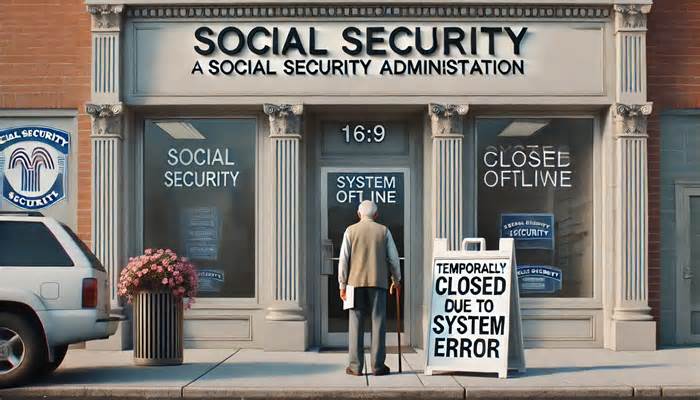
The Social Security Administration is introducing artificial intelligence to its national phone system in 2025, aiming to reduce call wait times and improve service for nearly 70 million Americans. But early feedback on the new system is mixed.
SSA turns to AI to modernize outdated phone systems
To improve customer service, the Social Security Administration (SSA) is upgrading its national phone system with artificial intelligence. SSA Commissioner Frank Bisignano confirmed the plan during a recent CBS News interview.
“We’re bringing a massive technology effort to transform the servicing agenda,” he said. “We’re gonna bring AI into the phone system… I intend it to be completed this year.”
The SSA receives over 390,000 phone calls every day. Although April’s average wait time dropped to 68 minutes—from 112 minutes in January—callers still face long delays.
The push for AI comes amid staffing cuts
SSA’s digital upgrades come as the agency reduces its workforce. Officials plan to cut staff from 57,000 to 50,000 employees this year. At the same time, the White House’s Department of Government Efficiency (DOGE), led by Elon Musk, plans to close several field offices.
Critics say these cuts will make service less accessible, especially for older or disabled Americans. In March, SSA announced a policy requiring in-person identity verification. But after public backlash, the White House reversed the rule in April. The original plan would have forced nearly six million older people to travel up to 45 miles to reach an SSA office.
New phone bot struggles with basic requests
SSA’s AI phone bot is already being tested. But many callers report problems.
According to CNET and The Washington Post, the bot often misunderstands basic questions. One reporter asked about a missing payment but received unrelated responses about Medicare and cost-of-living adjustments. It took eight attempts before the system began transferring the call to a human agent.
Tech reporter Blake Stimac also tested the system 11 times. In some calls, the bot responded accurately. In others, it misunderstood or replied with off-topic information.
“I asked why my payment was lower this month,” Stimac said. “The bot replied with general benefit details instead.”
He eventually learned that saying one word—“agent”—repeatedly helped bypass the system.
Tips for dealing with the SSA phone bot
Users trying to reach a real person can use these tips:
Say “agent” clearly and often to get routed to a human.
Avoid long explanations or natural conversation.
Skip speakerphone to reduce background noise.
Hang up and redial if the bot doesn’t respond properly.
SSA says the system is still improving. A spokesperson explained that performance depends on signal strength, call quality, and background noise.
Why SSA is betting on AI despite early issues
SSA leaders believe technology can improve service. “We’ll meet beneficiaries where they want to be,” Bisignano said. “That could be at an office, on the web, or over the phone.”
With nearly 70 million recipients and rising demand, SSA faces pressure to work faster. The agency turns 90 years old in 2025. By 2033, the Social Security Trust Fund could run dry unless Congress intervenes.
Even with budget challenges, Bisignano remains confident. “Everybody is committed to Social Security for the rest of time,” he said.
What to expect as AI expands
SSA plans to expand AI use to field offices and card centers later this year. Officials say the upgrades will improve efficiency without eliminating essential human roles. But many advocates remain skeptical, especially for users with limited access to technology.
The agency encourages beneficiaries to try the new system but warns that results may vary.
Please first to comment




Stay Connected
Tweets by elonmuskTo get the latest tweets please make sure you are logged in on X on this browser.