




 Energy



Comment
When it comes to self-driving and robotaxis, the most common argument is about Waymo vs. Tesla. Within the industry, most people think Waymo is the undisputed leader, and that Tesla isn’t even in the race. At the same time there are a number of people, not just Elon Musk, who think Tesla’s the leader or eventual winner. Now, we’re going to dive into this debate and discover why people take either position. Lots to unpack, so there’s also a video.
I’ve been writing about and working on Robotaxis for close to two decades. I worked on Waymo’s early team, and helped craft their robotaxi strategy, and my writings and talks have guided many, including the leaders of many of the top robotaxi companies. In addition, I own a Tesla with FSD 12, and 15 years ago also sat down for an hour of private conversation with Elon Musk to try to convince him to do robotaxis. Not saying at all I’m the reason Tesla is doing what it’s doing, but I do know all sides fairly well.
Many people think there’s really no comparison between the companies and that one is the clear leader–but they differ on which one that is. I’ve made a number of articles and videos on the issues around this issue. Now I’m here to clear that up. It’s all be made more visible by Waymo’s growth–they just launched in Atlanta–and Tesla’s pilot launch of a robotaxi service in south Austin on Jun 22, with supervising human safety drivers inexplicably in the passenger seat
This is a longer piece, but the matter isn’t simple. Let’s start with Tesla’s advantages.
Tesla Advantages
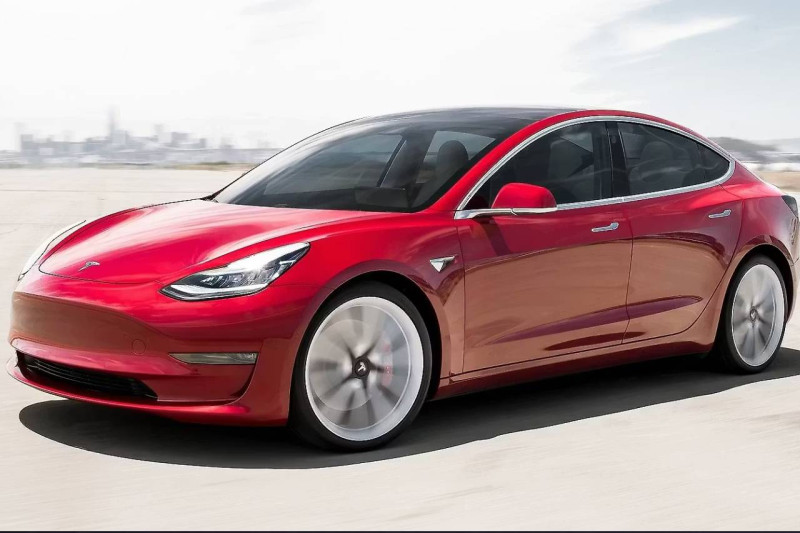
Tesla is a car company, and not just any car company, it’s the most innovative and dynamic in the non-Chinese world, and by a large margin. They essentially invented the US EV market and made everybody use the phrase “Software Defined Vehicle.” When it comes to making the physical robotaxis, Tesla will be very good at that.
Tesla also has Elon Musk, who is both a visionary and a risk taker. Many would say he takes too much risk, but if reward needs high risk, he’s your man. He is simultaneously sometimes a negative, a man also of deep flaws who sometimes scares away employees and customers but investors think he’s a big net positive.
MORE FOR YOU
Tesla’s taking a big, and longshot gamble that they can make self-driving work with just cameras and machine learning, while almost every other active player, including all those who have working robotaxis, incorporates other sensors like LIDAR and radar. Most of them also don’t use a pure end-to-end machine learning approach like Tesla is switching to, though they all make extensive use of machine learning and vision. Tesla’s hardware approach is a fair bit cheaper today, and will be a little cheaper in the long run, because cameras are low-cost. Their approach to software also needs less programming and more data, and Tesla has a giant fleet of cars driving around with their cameras, collecting data. They have so much data they can’t use more than a small part of it, but it’s definitely an asset.
Tesla hopes that, should they get the software working, there will instantly be millions of Teslas already out on the roads, ready to drive themselves. Other teams still need to build their fleets. Existing Teslas could become Robotaxis, but Tesla also plans to manufacture a custom Robotaxi fleet. Tesla at one point even said they would take off-lease Teslas and convert them to Robotaxis, which lets them acquire vehicles at a nice low cost, but they seem to have paused that plan.
Tesla has more compute in their cars than any old-school carmaker, and they have built huge compute server farms to train their software. They’ve shown particular prowess and building and running such farms, faster than other AI companies. Most of the cars in their fleet have their 3rd generation hardware, which they now admit won’t be enough for self-driving, but Tesla has promised to upgrade the cars of people who bought their FSD package. Newer cars have their 4th generation AI chip, and a 5th is coming.
That fleet has many hundreds of thousands of customers eagerly willing to pay for the privilege of testing Tesla’s prototype software, and to provide training data for it. All other companies except MobilEye had to pay employees to do that testing. Tesla gets more testing data than they can handle.
All this fits in the “machine learning maximalist plan.” Under that philosophy, all problems can be solved by adding more data and more compute power. This approach is, to some degree what has brought us recent revolutions like chatGPT and its cousins--no wonder people love it.
Tesla already has some of the infrastructure you need to run a robotaxi service. In particular, they have the largest charging network, and they have service centers in many towns. Unfortunately, their new CyberCab uses wireless charging, for which they have no charging network installed, but they can add it to some of their existing charge locations at a lower cost than building new depots. Tesla has an app, with prototype ride-hail functionality.
For a few months, Elon Musk held a prominent position in the U.S. government and sway over the President. It seemed like that might protect them from regulation, but that bromance has faded and this advantage has gone away.
Tesla Disadvantages
Overwhelmingly, Tesla’s biggest problem is that their current self-driving platform can’t self-drive. In the industry, to say a car can “self-drive” means being able to operate with a “bet your life” level of safety so cars can drive the roads with a sleeping person in them. In fact, Tesla’s not even close by the standards of the industry. This surprises many Tesla FSD users, who report they are highly impressed with the system based on taking it for several drives. They get this false impression because you can never learn that a system is good at self-driving by driving with it yourself. Today, estimates suggest Tesla’s FSD 13 can take a few trips – perhaps 10 to 30 in a row – before it needs some sort of safety intervention by the driver. That’s a recent improvement; last year it had trouble doing a single trip. As good as that improvement sounds, the bar is vastly higher. A car must be able to make not just a dozen trips without causing a problem, it must make around fifty thousand – a whole lifetime. Perhaps 100,000 to meet the bar Musk has set of “much better than a human.”
Check out my article and video on this topic, where I also explain how, if a car is improving greatly in your view, that means it’s immature, as mature vehicles have almost invisible, incremental improvements.
Forbes
Please first to comment



Stay Connected
Tweets by elonmuskTo get the latest tweets please make sure you are logged in on X on this browser.