




 Energy



I Planned to Post a Glowing Tesla Model Y Review After My Remote Western Australia Road Trip, But 700 Miles Away I Am Run Into a Sensor Issue


Advertising
This was supposed to be the kind of trip that makes you fall in love with your car all over again. Endless skies, smooth roads, and the hum of a Tesla Model Y gliding through the heart of Western Australia. But sometimes, all it takes is one tiny glitch to flip the story upside down. That contrast played out in real-time when I came across Sabina Se’s story while scrolling through the “Tesla Owners Australia” group on Facebook. What began as a road trip filled with awe-inspiring scenery and flawless Autosteer performance quickly turned into a frustrating ordeal when, 1,100 kilometers from Perth, her car threw a hood latch sensor warning that wouldn’t go away. This disabled her cruise control and Autosteer entirely.
"I had planned to post a glowing review of my Tesla Model Y road trip through remote WA — highlighting how incredibly smooth the drive has been thanks to Autosteer handling everything from heavy rain to blinding sunrise/sunsets," Sabina wrote. "But now I’m stuck. About 1,100km away from Perth, I’ve run into a hood latch sensor issue. The car thinks the hood is open when it’s not, triggering constant warning chimes and disabling key features like cruise control and Autosteer, which are vital for me on long drives like this."
She mentioned briefly speaking with Tesla service who haven’t offered a clear fix yet. "One suggestion was to find a service shop in the area to tape down the hood and keep driving, but honestly, I tried driving for just 10km with the alerts and it was unbearable. If anyone has experienced this or knows of a safe temporary workaround, I’d really appreciate your input. Would love to turn this into a success story instead of a cautionary one."
The Community Tries to Help
This situation highlights a growing concern that many long-distance EV travelers face: What happens when a minor sensor glitch disables major driving functions far from any service center?
In the comments section, fellow Tesla owners chimed in with possible fixes, sympathy, and shared experiences. Chris Cane noted that in most cars, the slam plate that the bonnet latch connects with is just secured by a couple of bolts. "Maybe the plate has moved slightly? You could try loosening the bolts, moving it a little one way or the other. This won’t change the sensor but it might make some difference. How annoying though, wish you the best!"
This kind of advice reflects just how resourceful the EV community has become. Even minor alignment tweaks like repositioning a slam plate might offer temporary relief when professional service is hours away.
Es Cha added, "I had that issue. The microswitch in the frunk latch assembly was faulty. They came out and replaced it and the issue was resolved. Try and see if the thin silver lever is missing or looks unusual near where the hood locks into."
This underscores a broader pattern: physical hardware failures on simple components like switches can trigger digital chaos. It's a mechanical fault, but the consequences ripple through complex systems.
Greg McAdam chimed in with a very similar experience: "I’ve driven from Perth to Paraburdoo and got this exact same alert. I had to open it and close it 3 times but it did go away. Bought mine a month ago. That’s definitely going to put a dent in the Tesla pride for you."
Greg’s experience is particularly telling. Even a temporary self-fix like opening and closing the hood multiple times can reset the system, but that doesn't address the fragility behind it. When pride in a tech-forward car gets overshadowed by basic reliability issues, it leaves a mark.
When Tech Becomes a Roadblock
While Tesla's Autosteer is often praised for handling vast stretches of highway and reducing driver fatigue, its dependence on sensors like the hood latch highlights a potential weakness when traveling far from major support infrastructure. And sadly, Sabina isn’t the only Tesla driver who's run into unexpected technical barriers during long trips.
In fact, some owners have started to question not just reliability, but the larger ownership costs as well. In this story about how supercharging a Tesla Model Y cost more than expected, the issue wasn’t a breakdown, but the cumulative surprise of real-world usage costs.
And while Sabina’s story isn’t about cost, it shows that the smallest malfunctions can sometimes sideline advanced tech, rendering otherwise incredible features completely unusable.
A Bigger Conversation About Redundancy
It's situations like these that make some owners rethink how much redundancy should be built into EVs. Should Autosteer and cruise control really go offline due to a faulty frunk sensor? Should there be a temporary override for long-haul scenarios in safe driving conditions? Sabina’s case opens that conversation.
Advertising
Some might say, "This is just part of owning a tech-forward car," but that explanation doesn't always sit well with owners who bought into the Tesla experience expecting cutting-edge support to match the cutting-edge features.
And while this situation doesn’t appear to be tied to any user error, it reminds us that Tesla vehicles can still come with surprises. Just ask owners who discovered that Carvana sold him the wrong Tesla Model Y, only for the resolution to turn into an unexpected win. Sabina, on the other hand, is still waiting for a fix.
Stranded With No Real Option
Now imagine being in her shoes: You’re over 1,000 kilometers from the nearest Tesla service center, you've invested in a vehicle designed for long-haul ease, and you’re told to tape your hood shut and live with warning chimes that go off every few seconds. Even if the car is technically drivable, it becomes a harder experience mentally and physically.
The Tesla community often rallies around cases like these. Many are quick to offer their own workarounds, some of which can be surprisingly effective. But this brings up a new concern: Should advanced vehicles with OTA updates and sophisticated diagnostics still rely on DIY solutions in 2025? Are we hitting a tipping point where basic durability and mechanical simplicity are being overshadowed by overly sensitive tech?
Even in Sabina's case, there were hints of a potential physical fix. From adjusting the slam plate bolts to checking for a broken microswitch, the root issue might be something a technician could resolve in minutes if one were nearby.
Access and Coverage
And that leads us to the real issue for many owners living outside major metro areas: coverage. Tesla’s mobile service network is growing, but it’s far from perfect in regions like Western Australia where the next town could be 400 kilometers away. For owners already facing outrageous Model Y registration fees in some states or provinces, adding unpredictable repair logistics to the list might be enough to reconsider future purchases.
And sadly, if support doesn’t come through quickly, some owners may start to feel like these small glitches aren’t just occasional flukes but part of a larger reliability concern. One driver, for example, shared why they decided their next car won’t be a Tesla again after getting a $3,300 quote for a camera repair.
Where Does That Leave Sabina?
Hopefully, Tesla responds with a mobile technician or walk-through solution that gets her back on the road safely without warning chimes and without giving up the tech features that made the trip enjoyable in the first place. But her post is a reminder to all of us that even with the most advanced EVs, you’re never fully immune to being stranded by something small.
That's why I think this story matters, because it captures a real-world example of how the Tesla experience can flip on a dime. One moment you're marveling at the seamless technology, and the next you're sidelined by a single sensor error. That contrast isn't just frustrating, but it also raises serious questions about how these vehicles are engineered for the realities of long-distance driving outside urban comfort zones. Tesla still leads the industry in many ways, but stories like this show there's room to grow when it comes to support and system resilience.
Key Takeaways
A hood latch sensor fault disabled cruise control and Autosteer on Sabina's Tesla Model Y during a solo road trip 1,100km from Perth.
Tesla service has not yet provided a solution, leaving her unable to drive comfortably in one of the most remote parts of the country.
The issue appears to stem from a microswitch or alignment problem, but without access to service, she's stuck waiting.
Other owners shared similar glitches, while broader concerns about repair access and reliability continue to grow in the Tesla community.
Advanced tech is amazing until it leaves you stranded. EVs could need better fallback systems for minor faults, especially in remote regions.
Share Your Thoughts
Have you ever had a small sensor issue or false alert that disabled key driving features in your car? How did you deal with it?
And if you were in Sabina’s shoes, over 1,000 kilometers from help, would you keep driving with constant alerts or stop and wait for support?
Share your thoughts and stories in the comments below, as your experience might help someone else on the road.
Aram Krajekian is a young automotive journalist bringing a fresh perspective to his coverage of the evolving automotive landscape. Follow Aram on X and LinkedIn for daily news coverage about cars.
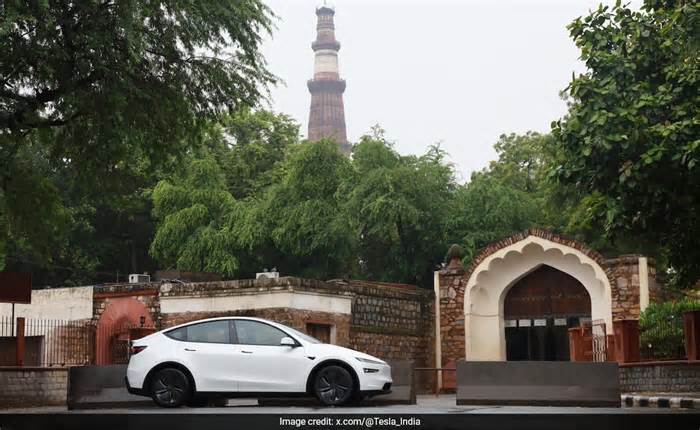
Image Sources: The “Tesla Owners Australia” public Facebook group and Tesla’s gallery, respectively.
Please first to comment



Stay Connected
Tweets by elonmuskTo get the latest tweets please make sure you are logged in on X on this browser.