




 Energy



Linkedin
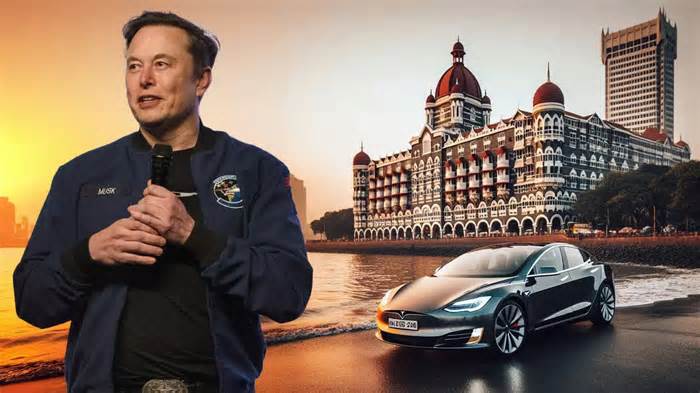
Tesla, the world’s second-largest electric vehicle manufacturer, has officially confirmed its entry into the Indian market, with its first showroom set to open on July 15, 2025, in Mumbai’s affluent Bandra Kurla Complex (BKC). The event marks a major milestone in India’s automotive history and signals a new phase in the country’s push for cleaner, greener transportation. Tesla’s arrival has been long awaited, and with it comes hope of accelerating electric mobility uptake in a nation still dominated by internal combustion engines.
You might also like Adobe Premiere Pro Likely Used to Modify Trump Admin’s Epstein Prison Video, Report Claims
The Mumbai showroom will be more than just a sales point. It will act as a “Tesla experience centre,” offering visitors a chance to explore Tesla’s technologies, configure vehicles, and gain insights into charging infrastructure. The grand opening is expected to host VIP guests, industry partners, and members of the media on July 15, followed by public access shortly thereafter. Elon Musk, Tesla’s CEO, is expected to attend, underlining the company’s commitment to the Indian market and its aspirations for broad local engagement.
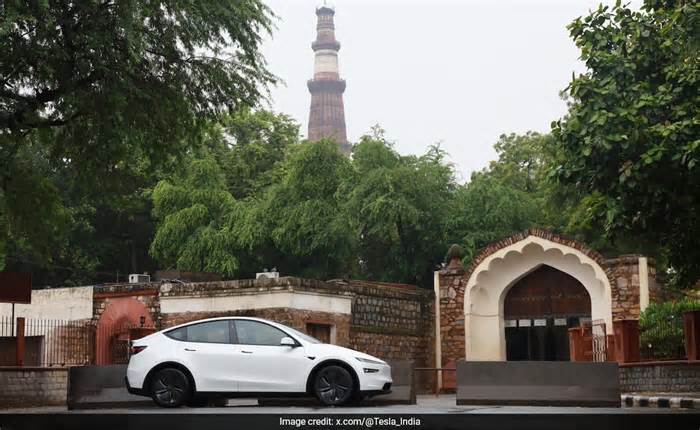
This debut comes after years of negotiation around import duties and manufacturing, as well as a canceled visit by Musk last year. While initial hopes were for local production from day one, Tesla will begin with imported vehicles from its Shanghai Gigafactory. The Model Y—one of Tesla’s best-selling electric SUVs globally—is expected to lead the lineup. The homologation process for both Model Y and Model 3 began in March 2025, clearing the way for their launch. Bookings for the Model Y will start on July 15, with deliveries expected by the end of August.
Consumers have eagerly anticipated Tesla’s pricing strategy. With India’s high import duty of approximately 70% on fully built vehicles, the cost of Tesla cars will reflect a significant premium compared to global markets. The official declared price for the Model Y is 27.7 lakh rupees, but with import duties, the final on-road price could range between 50 lakh to 55 lakh rupees (approximately US$56,000), before local taxes and insurance. How much buyers are willing to pay for Tesla’s brand and electric appeal will serve as a key test for the market’s readiness to embrace premium EVs.
Tesla is also taking active steps to establish its ecosystem in India. The company has already begun hiring for a local team covering roles in retail management, service, sales, and supply chain. Warehouses are being leased in Karnataka and Gurugram, likely to support logistics and service operations. Import shipments have included Supercharger hardware, service tools, accessories, and merchandise. These initial investments suggest a broader long-term plan, possibly including local infrastructure, training, and future manufacturing commitments.
The timing of Tesla’s entry is strategic. Amid slowing global sales and underutilised capacity in its existing factories, expanding into new markets is a priority. India represents the world’s third-largest automobile market, and though EVs currently make up just over 5% of passenger vehicles, the category is growing steadily. Premium cars represent under 2% of total sales, meaning Tesla must attract buyers willing to pay a premium on cost, quality, and technology. Success could open doors for further expansion in India and help justify eventual local assembly or manufacturing, but there are clear regulatory and cost hurdles to overcome.
Tesla has also initiated a play for second-city expansion, with reports indicating that a New Delhi showroom may open by late July. This indicates a dual-pronged metro strategy to reach key urban centers and affluent consumers, vital for brand visibility and volume growth.
The electric vehicle market in India has seen significant regulatory support, including tax breaks, subsidies, and investment in charging infrastructure. Government efforts aim to achieve net-zero carbon emissions by 2070 and phase out internal combustion vehicles in urban areas. Leading EV manufacturers such as Tata, MG, and Hyundai have debuted successful electric models, showing consumer openness toward electrification. However, the entry of Tesla represents a new level of technology, global brand, and market ambition.
Tesla brings with it an integrated ecosystem of high-performance vehicles, nationwide Supercharger network, over-the-air software updates, Autopilot, and a strong focus on regenerative braking and zero emissions driving. Its success in India may depend on how fast it can scale charging infrastructure and service networks. Tesla owners will expect access to fast charging along travel corridors and city centers, as well as reliable maintenance and customer support. Early investments suggest Tesla is preparing to roll these out, but building a trusted infrastructure will take time.
From the consumer perspective, interest in Tesla is already high. Premium buyers in India see Tesla as a status symbol, a leap in technological sophistication, and a commitment to sustainable driving. The July 15 debut will provide a benchmark moment—buyers will finally get to sit inside, test out features, and see firsthand the interior design, touchscreen interface, and driving experience. Booking numbers following the launch will be watched closely by Tesla and the wider industry as an indicator of market potential.
Tesla’s official entry may also influence government and industry responses. Clearer signals on import duties, incentives for premium EV adoption, and investment in infrastructure could emerge as policymakers interpret Tesla as a measure of India’s clean mobility priorities. If Tesla succeeds, it may encourage faster regulatory action and local investment in energy, roads, and charging ecosystems. Conversely, if the pricing proves too high or support networks fail to grow, Tesla may reconsider its long-term approach to India.
Tesla’s strategy in India aligns with its global mission but must adapt to local nuances. India’s roads, driving patterns, climate, and energy infrastructure differ significantly from markets like North America and Europe. Ensuring vehicle performance in high heat, maintaining battery health, and dealing with patchy grid readiness will be important. Tesla’s engineering and support teams will likely focus on adapting software and hardware to Indian conditions as deployment progresses.
In recent Nexus talks between Elon Musk and Indian leadership, bargaining over duties and incentives has taken place. While Tesla initially proposed investing US$2 to 3 billion in local manufacturing, current plans focus on importing cars. Even so, the company’s long-term commitment may include local assembly or production pending government agreement. Sensitive trade balances and local manufacturing mandates will figure heavily in future government discussions.
Tesla’s arrival on July 15 will be closely monitored by competitors. Domestic carmakers such as Tata, Mahindra, and Hyundai are already scaling their electric vehicle lines. Tesla’s presence may intensify competition, driving down prices, pushing innovation, and accelerating infrastructure development. Joint efforts on charging standards and interoperability might receive renewed focus.
Tesla will enter India with its global feature set intact. Models arriving in India will include Autopilot, Full Self-Driving options, 15-inch or larger touchscreen, OTA software updates, and features such as Sentry Mode, Smart Summon, and regenerative braking. Over time, India-specific features like localized navigation (e.g., Indian maps and traffic patterns) will be rolled out. These updates will help acclimate Indian users to Tesla’s unique ecosystem, differentiating it from local EV brands.
Supported by global investment, Tesla’s arrival could also spark foreign direct investment in EVs and related industries in India. Battery production, charging hardware, and supply chains may grow, generating jobs and stimulating local research. Competitors may follow Tesla’s model, bringing foreign investment and creating economic clusters around EV development.
The July 15 showroom inauguration will include a detailed presentation of Tesla’s vision in India. Visitors will learn about charging, long-term savings, environmental benefits, and potential fleet adoption. Fleet vehicles, used in ride-hailing and corporate services, are another growth segment in India, where Tesla may find new markets.
Ultimately, Tesla’s debut in India is a test of premium EV adoption. It challenges India’s consumer values and energy readiness. Lower-cost EVs dominate volume sales, while Tesla targets affluent, environmentally aware buyers. If the Model Y has strong sales, Tesla will gain confidence. Governments will respond. Infrastructure will scale. Local manufacturing could follow.
Tags:
Please first to comment



Stay Connected
Tweets by elonmuskTo get the latest tweets please make sure you are logged in on X on this browser.