




 Energy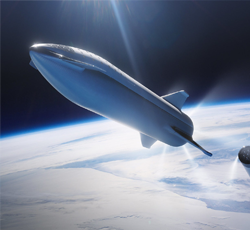



— Elon Musk (@elonmusk) December 2, 2017
Will it actually take off?
There has been some speculation that the Falcon Heavy's engines will simply explode on launch, according to Ars Technica. Aerospace competitors have compared the super-powerful rocket to the Soviet N-1, a massive 30-engine rocket that failed to launch four times.
Musk himself has alluded to a spectacular launchpad explosion more than once. "Will be in deep space for a billion years or so if it doesn't blow up on ascent," he tweeted last December. The billionaire entrepreneur told last year's International Space Station Research and Development conference in Washington, D.C.: "Falcon Heavy requires the simultaneous ignition of 27 orbit-class engines," Musk said. "There's a lot that can go wrong there … I hope it makes it far enough away from the pad that it does not cause pad damage. I would consider even that a win, to be honest."
Where will it go next?
SpaceX's recent GovSat-1 Mission used a Falcon 9 rocket on January 31, 2018. The Falcon Heavy is essentially three Falcon 9 rockets strapped together.
SpaceX's recent GovSat-1 Mission used a Falcon 9 rocket on January 31, 2018. The Falcon Heavy is essentially three Falcon 9 rockets strapped together.
SpaceX/Public domain
In the future, assuming it will have one, the rocket should carry more than just a sports car into space. Ars Technica reports the first commercial customer will be Saudi Arabian satellite company Arabsat. Falcon Heavy is set to fly its Arabsat 6A.
A succesful launch will represent a giant leap towards human spaceflight to Mars. And if it all goes wrong, Falcon Heavy - filled with kerosene and liquid oxygen propellants - will at least make for one incredible explosion.
This article has been updated to include more information from Elon Musk.
\ \ Newsweek is committed to challenging conventional wisdom and finding connections in the search for common ground.
\ \ \ ';uncommonKnowledgeItems[0].insertAdjacentHTML('afterend',uncommonKnowledgeContainerHtml);let uncommonKnowledgeContainerElement=document.getElementsByClassName('uncommon-knowledge');let itemsContainerElement=document.getElementById('uncommon-knowledge-items-container');uncommonKnowledgeContainerElement[0].style.display='block';uncommonKnowledgeItems.forEach((itemUncommon)=>{document.getElementById('uncommon-knowledge-items-container').insertAdjacentHTML('beforeend','
Please first to comment



Stay Connected
Tweets by elonmuskTo get the latest tweets please make sure you are logged in on X on this browser.