





 Energy



Open this photo in gallery:
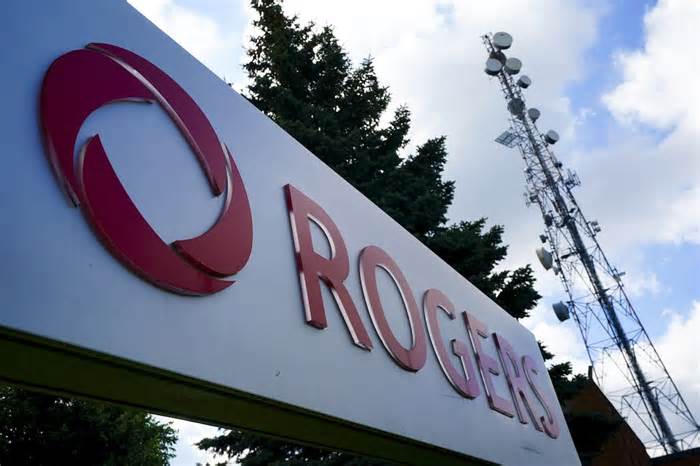
Rogers Communications Inc. says it has signed multi-year deals with NBCUniversal and Warner Bros. Discovery for their popular lifestyle and entertainment brands in Canada. Telecommunications company Rogers Communications signage is pictured in Ottawa on Tuesday, July 12, 2022. THE CANADIAN PRESS/Sean Kilpatrick
Sean Kilpatrick/The Canadian Press Rogers ends contract with external customer-service firm, results in hundreds of job losses
“Long term, it’s not our intention to hold back 911 to subscribing customers only,” said Rogers chief executive officer Tony Staffieri in an interview.
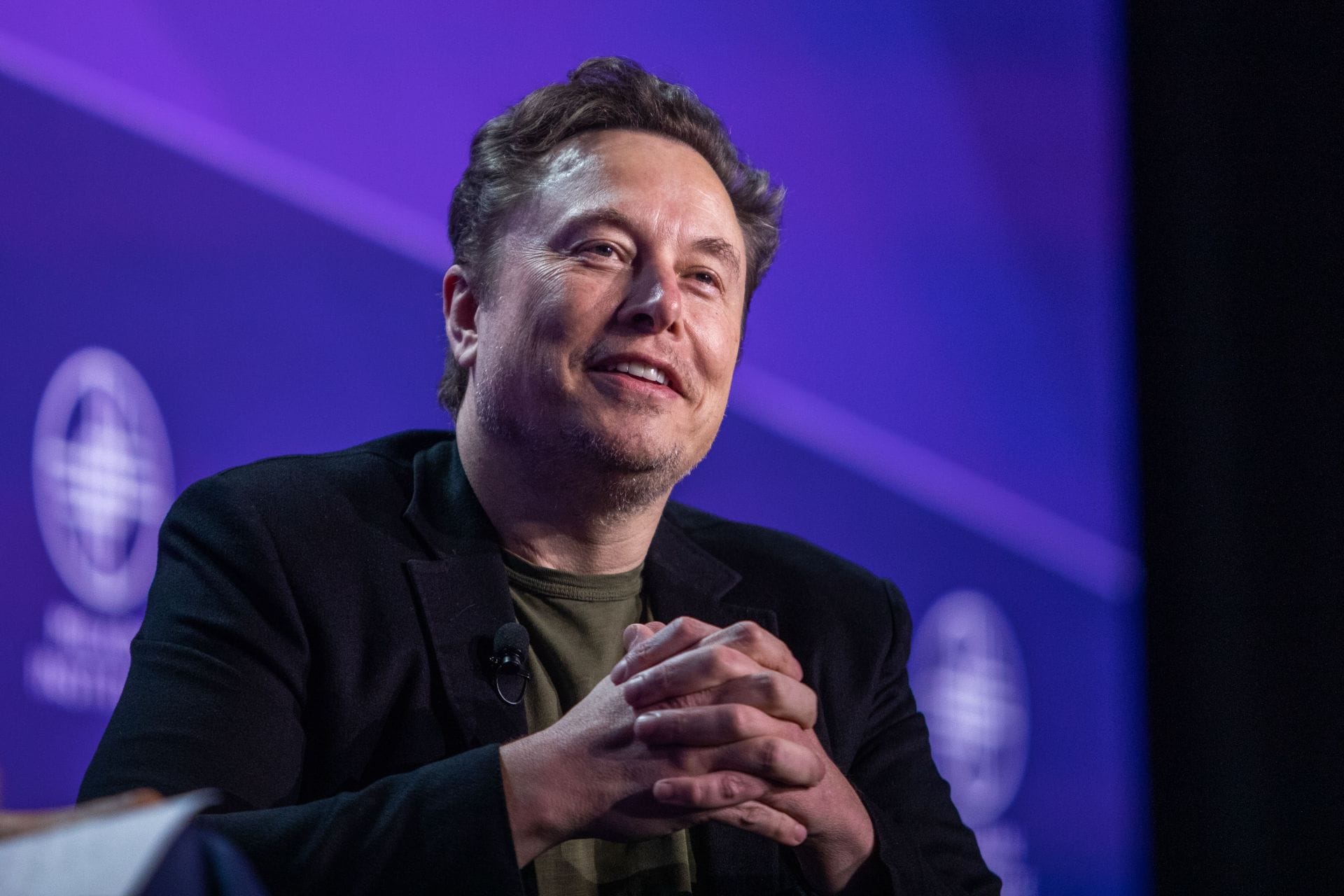
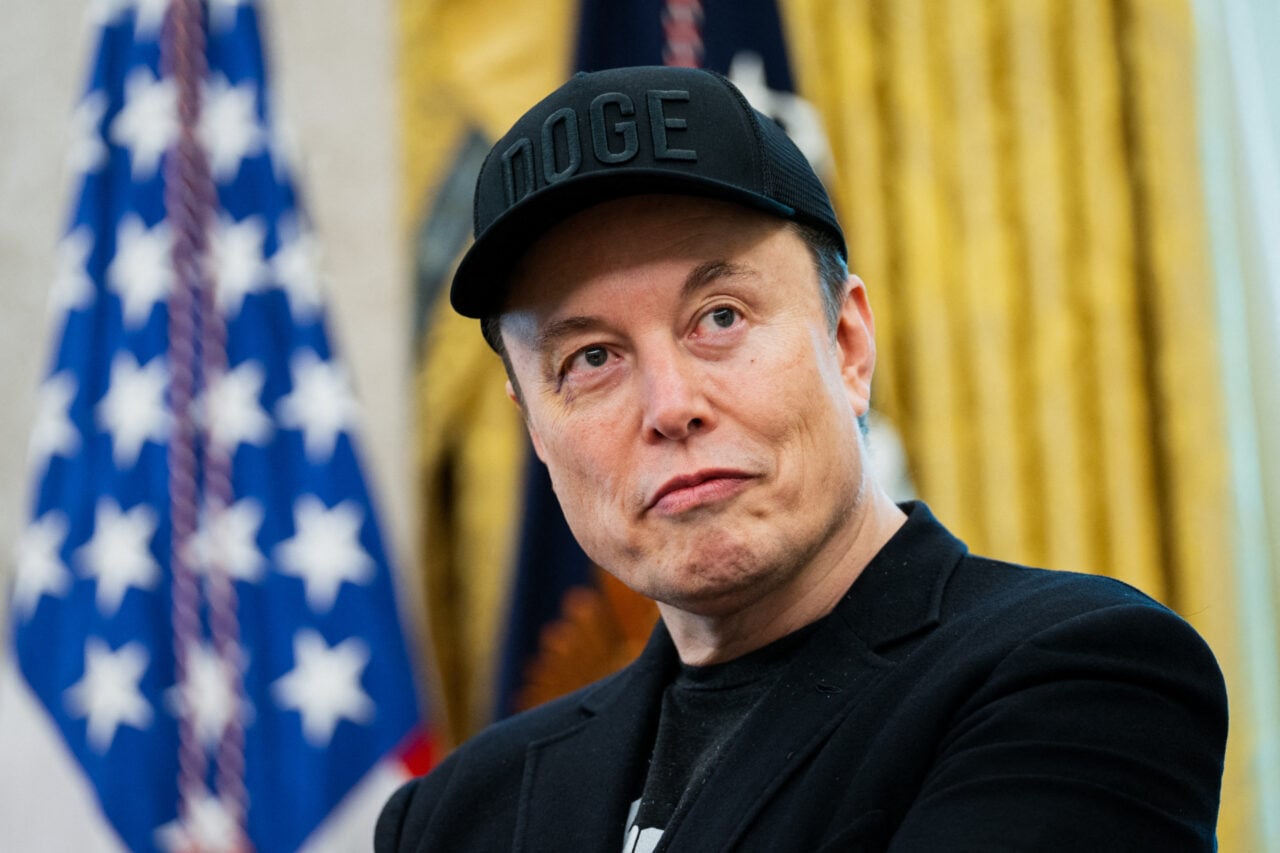
The direct-to-mobile service will use Rogers’s wireless spectrum to connect to low-earth orbit satellites owned by Starlink, operated by Elon Musk’s SpaceX.
Rogers is also working with U.S. company Lynk Global Inc. and several other satellite vendors to expand its satellite offerings. The company has signed a memorandum of understanding with Canadian satellite company Telesat TSAT-T to connect to its low-earth-orbit broadband network, and has entered into discussions with Quebec-based Terrestar and California-based Skylo to further expand coverage.
Mr. Staffieri said future partnerships will depend on “who is first and who is best for Canadians” in terms of coverage and quality.
Part of the reason so much of Canada lacks cell service is that carriers have little financial incentive to deploy expensive networks in areas that are sparsely populated and unlikely to drive a return.
Mr. Staffieri declined to say how the new feature fits into the company’s financial strategy, including whether it would be profitable for Rogers or what it would cost the company to offer the service.
When asked if he expects the price to rise as more features become available, he said the company has not yet “done a lot of work on pricing strategy long-term,” so it’s too soon to comment.
“This is really early days,” Mr. Staffieri said. “The focus is on getting the technology and the service launched to Canadians.”
For now, the goal is to reach as many Canadians as possible with the service, he said, noting that, to date, wireless networks of all carriers combined only cover 18 per cent of the country’s land mass.
Some other options are available. Canadians with the iPhone 14 or later can access Apple’s satellite-enabled Emergency SOS services when out of cell-phone range. In 2023, Telus Corp. TU-N also trialed direct-to-satellite service, though the company has yet to announce a comparable offering.
Currently, text-to-911 services using conventional wireless service are only available to people who are deaf, hard of hearing and speech impaired, and require a special registration.
Canadian companies, first responders and the government are now implementing an updated emergency contact system known as Next Generation 911, which will one day allow anyone to send a special kind of message known as a “real time text” to 911 response centres.
The Canadian Radio-television and Telecommunications Commission, the national telecom regulator, has yet to set a deadline for providing this service to the general public.
Please enable JavaScript to view this content.
Please first to comment



Stay Connected
Tweets by elonmuskTo get the latest tweets please make sure you are logged in on X on this browser.