




 Energy



Earlier this year, Apple and Google jointly proposed standardized technology that could be adopted by any tech company that would allow for alerting people who are being tracked without their knowledge through tags or smartphone features.
The idea, presented to a tech-industry standards organization, won praise from some anti-domestic abuse advocates.
Apple and Google did not comment for this story.
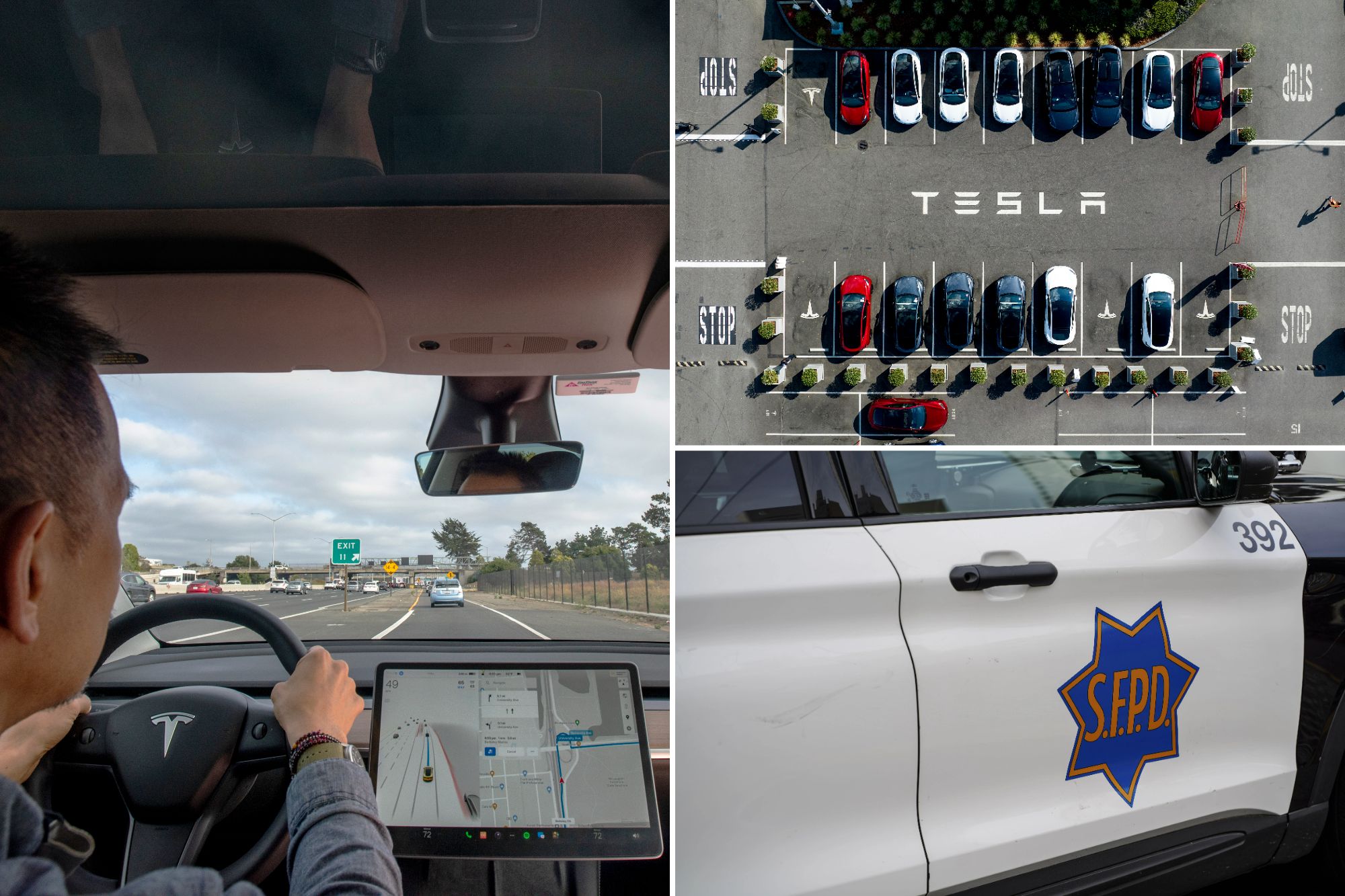
In the San Francisco case, Tesla said in response to a plaintiff’s written request for information that it “does not have a specific companywide policy” regarding how to handle stalking allegations involving its vehicles’ technology.
Stalkers always find a way to use location data, making this problem “totally foreseeable,” said Catherine Crump, a Berkeley Law School professor specializing in privacy issues involving technology.
“It is disappointing that a company as sophisticated and well-resourced as Tesla doesn’t have better answers to this,” said Crump, who is also a former adviser to the White House Domestic Policy Council.
Bat in the vehicle
When the San Francisco woman and her husband bought the Tesla Model X in January 2016, he set himself up as the administrator on the account and listed her as an additional driver, her lawsuit said.
That meant she could not remove his access without his password.
After they separated in August 2018, a family law judge found she had suffered repeated physical abuse during the marriage, which the husband acknowledged, as well as sexual abuse, which he denied, court records show.
The judge found her version of events credible and his “less credible.”
Apple AirTags can easily be concealed in a car’s interior or other locations, and soon became a favorite tool for one partner to track another.
Adobe Stock
Over the next several months, the woman alleged, she regularly returned to the car to find that its settings and features appeared to have been manipulated.
She found the doors open, the suspension settings changed, and the vehicle’s ability to charge turned off. When she asked service center employees for help, they tried to disconnect the car from the Internet, but those attempts failed, she said in court records.
Two letters, one of them dated in 2018, to Tesla’s legal department by anti-domestic abuse advocates on the woman’s behalf asked the company to preserve data logs and remove the husband’s access.
Tesla told the court it could not find these letters in its files.
Eventually, a Tesla service center manager contacted Tesla deputy general counsel Ryan McCarthy for advice, the manager said in a deposition reviewed by Reuters.
McCarthy said the woman needed to have her husband removed from the vehicle’s title in order for the company to disable his account, the service manager testified.
McCarthy did not respond to requests for comment.
Please first to comment



Stay Connected
Tweets by elonmuskTo get the latest tweets please make sure you are logged in on X on this browser.