




 Energy




Anatomy of a Spire deal
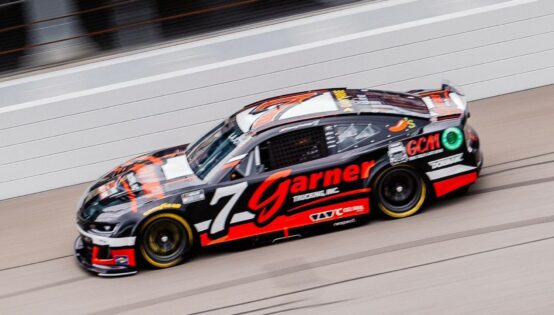
When Spire Motorsports purchased a charter from Live Fast Motorsports in 2023, the reported price sent shockwaves in the NASCAR world. Ever since the charters were introduced in 2016, they have been in the region of $2- $6 million, with teams such as JTG Daugherty and Front Row Motorsports purchasing them for a fraction of the cost Spire paid. Spending $40 million on a charter was unheard of, but the team’s hierarchy justified the price by taking into account the sanctioning body’s new media rights deal.
Jeff Dickerson’s team wanted to make a statement, and that’s exactly what they did. Back when Spire purchased Furniture Row’s charter in 2018, the team owner said, “Beachfront property like this doesn’t come available very often, and we’re here to do big things.” Meanwhile, co-owner T.J. Puchyr went on to say, “I believe the charters are worth $75 million or more.” That just goes to show Spire Motorsports’ approach towards acquisitions. They’re not just buying to make the team more competitive, but the approach is to secure assets that will appreciate over the long term.
Spire Motorsports has always been willing to spend big, bet on NASCAR’s long-term growth, and figure out how to remain competitive later. It’s a different approach to how legacy teams have traditionally gone about it, opting to expand to second or third cars only after being successful on the track. It’s a calculated risk by Jeff Dickerson’s team, but it just goes to show how they’re willing to be unorthodox and take chances, even if it goes against the norm.
Talent development or driver shuffling?
Now that Spire Motorsports has the infrastructure, they’re looking to get a return on the investment by prioritizing on-track results. Carson Hocevar is the first step towards that rebuild, as the 22-year-old is raw, but aggressive, and many feel his style of racing is like ‘The Intimidator’ himself. Driving the No. 77 Chevy, Jeff Dickerson has also brought in crew chief Luke Lambert to guide him. The team has a decent blend of youth and experience, with Justin Haley and Michael McDowell occupying the other two seats.
As things stand, Spire is still attempting to build a proper development pipeline. But they’ve made the effort to expand their Truck Series and ARCA operations, giving young drivers a platform to showcase their talent. But while veterans such as Corey LaJoie have been fill-ins, the team doesn’t have a stable of reliable drivers at the grassroots level right now, who can take Spire Motorsports to a whole new level in the next few years.
Alliance politics and tech partnerships
One of Spire Motorsports’ biggest strategic moves has been its technical alliance with Trackhouse Racing. This gives them engineering support, access to data, and a faster way to improve on-track than to develop in-house. However, there are some downsides to such a ‘partnership’ as well, such as the cost involvement, dependency on another team, supply of resources, and the lack of control.
You can compare Spire’s situation to 23XI Racing, which leaned heavily on Joe Gibbs Racing in the early days for technical support while still building its own identity. Jeff Dickerson’s team is doing something similar, but the difference is they’re also pushing their own infrastructure, spending some serious money on major acquisitions, and hiring some strong crew chiefs. Will it pay off with results on the racetrack? Only time will tell.
Infrastructure, engineering, and culture
Spire Motorsports has been very careful about the type of culture it wants to build in the team. They’ve recruited some high-profile crew chiefs in Rodney Childers and Travis Peterson to lead their Cup Series efforts. Meanwhile, they’ve also relocated their operations to Mooresville, North Carolina, the heart of NASCAR country, to streamline how the team operates. They now occupy a space that once was Toyota’s headquarters for the Truck Series, giving Spire the assets and the infrastructure beyond what many other mid-tier teams possess.
Spire is also constantly expanding, adding roles to the backroom staff and getting more personnel involved for day-to-day operations. However, they have a long way to go to match up to Hendrick Motorsports or Joe Gibbs Racing, who have decades of experience dominating the Cup Series. Traditionally, the big teams in NASCAR are engineering-driven, use data analysis, and rely on track execution. But Spire Motorsports does things differently. The team makes use of media opportunities, builds sponsorship relations, and maximizes business visibility. But whether that leads to on-track results remains to be seen.
Risk vs. reward: Could it all stall?
Jeff Dickerson is going all in, especially if the kind of investment he has made, whether it’s the charters, driver contracts, or technical alliances, is anything to go by. But time is running out, and the performances must back the off-track initiatives. Ultimately, sponsors want results, and if Spire Motorsports underperforms where it matters the most, the team’s investments could end up losing value.
While the team has shown flashes of being competitive, there’s plenty of work to be done until they can reach the level of Hendrick Motorsports, Team Penske, or Joe Gibbs Racing consistently. But the clock is ticking, and one can’t help but feel that time is running out for Spire Motorsports to make its mark at the highest level.
ADVERTISEMENT
Please first to comment



Stay Connected
Tweets by elonmuskTo get the latest tweets please make sure you are logged in on X on this browser.