





 Energy





Oct 30, 2025, 11:30 AM UTC
A man holds up a cardboard cutout of Elon Musk during a protest against a visit by President Donald Trump to the UK on September 17, 2025.
Leon Neal/Getty Images We’re all living inside Elon Musk’s misinformation machine now
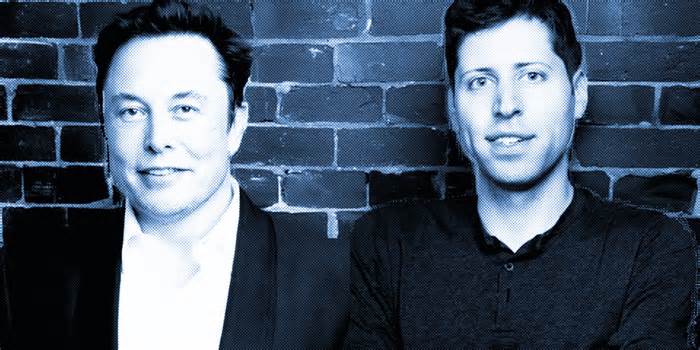
To understand Grokipedia, you have to know its origin story, which can be traced back to a tweet from President Donald Trump’s AI czar, venture capitalist, and longtime Elon pal David Sacks. The September 29 tweet read, in part, “Wikipedia is hopelessly biased. An army of left-wing activists maintain the bios and fight reasonable corrections.”
It really feels like Sacks was tweeting directly at Musk, who has been ramping up his criticism of Wikipedia all year. Last Christmas Eve, Musk told his followers to “Stop donating to Wokepedia,” claiming that the organization was overspending on diversity, equity, and inclusion. Musk has called Wikipedia “an extension of legacy media propaganda,” and announced that xAI would build Grokipedia in response to Sacks’s tweet.
The blurry jpeg theory of the internet
When I heard about Grokipedia’s launch, I immediately thought of what I call “the blurry jpeg” piece that the New Yorker published in 2023. Written by the science fiction author Ted Chiang, the article does a great job explaining the then-unfamiliar concept of large language models, how they generate synthetic text based on real writing, and whether they can accurately communicate genuine knowledge.
The blurry jpeg he talks about refers to the problem of uploading an image to the web, which requires compression; downloading the lower-resolution version; and doing that over and over again. Eventually, the image becomes unrecognizable because so much information is lost in the process of copying a copy.
This has been happening to information on the web from its earliest days. And in a sense, this idea of downloading, remixing, and redistributing content has been what’s made the web so fun. Blogging, which got me and many others started in journalism, often amounts to reading what’s happening online, processing the ideas, and repackaging them for a particular audience, sometimes with a slant and usually in a post shorter than the source material. Tweeting, a descendant of blogging, compressed those posts even more, but the medium retained the basic goal of democratizing and accelerating the spread of knowledge and ideas online. Wikipedia, in its most basic form, does this, too.
But inevitably, as with jpegs or sheets of paper sent through old-fashioned Xerox machines, making copies of copies blurs out certain details, often ones that seem less important. The compression makes it easier to share the data but harder to find your way back to the original source.
Related
Please first to comment



Stay Connected
Tweets by elonmuskTo get the latest tweets please make sure you are logged in on X on this browser.