




 Energy




Hertz’s Electric Gamble: A Billion-Dollar Lesson in EV Ambition and Market Realities
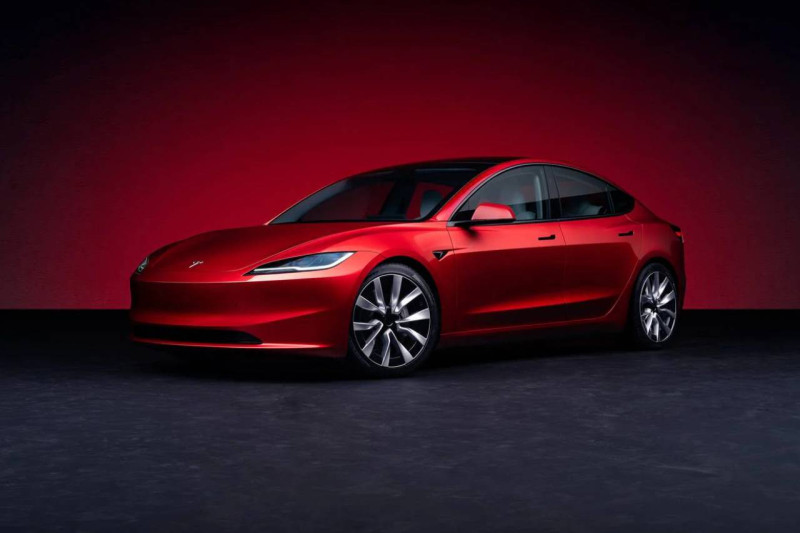
In late 2021, Hertz Global Holdings Inc. made headlines with a bold announcement: a $4.2 billion deal to purchase 100,000 Tesla Inc. vehicles, signaling what seemed like a seismic shift toward electric vehicles in the rental car industry. The move was hailed as a vote of confidence in EVs, aligning with surging interest in sustainable transportation. But fast-forward to 2025, and the story has turned into a cautionary tale of overambition, financial miscalculations, and broader challenges plaguing the electric vehicle sector. Hertz’s decision to dive headfirst into EVs, particularly Teslas, has resulted in staggering losses, forcing the company to offload tens of thousands of vehicles at a fraction of their purchase price.
The initial enthusiasm stemmed from a post-pandemic rebound in travel and a growing consumer curiosity about electric cars. Hertz, emerging from bankruptcy, saw an opportunity to differentiate itself by offering a fleet of cutting-edge Teslas. However, the reality proved far harsher. By 2024, the company began dumping EVs, citing high repair costs, rapid depreciation, and weaker-than-expected demand. According to a report from Business Insider, Hertz has taken over half a billion dollars in write-downs and losses from its EV fleet, prompting a dramatic course correction that underscores America’s uneven embrace of electric mobility.
This saga isn’t just about one company’s misstep; it mirrors wider hurdles in the EV market, from infrastructure gaps to consumer hesitancy. As Hertz sells off its electric assets, industry observers are questioning whether the rental giant’s experience foreshadows deeper troubles for automakers and investors betting big on battery-powered vehicles.
The High-Stakes Bet and Its Unraveling
Hertz’s EV push began with fanfare. The 100,000-Tesla order was part of a strategy to electrify 25% of its global fleet by 2024, capitalizing on Tesla’s brand allure and the environmental push from corporate clients. Early rentals showed promise, with customers eager to try models like the Model 3 and Model Y. But cracks emerged quickly. EVs, especially Teslas, proved more expensive to maintain than anticipated. Collision repairs often cost double those of gas-powered cars due to specialized parts and labor, as noted in posts from users on X highlighting Hertz’s struggles with breakdowns and accidents.
Depreciation hit hard too. Tesla’s aggressive price cuts in 2023 and 2024 slashed the resale value of used EVs, leaving Hertz with assets worth far less than expected. A Reuters article from January 2024 detailed how Hertz decided to sell 20,000 EVs from its U.S. fleet, taking a $245 million charge in the process (Reuters). By late 2024, the company reported a $2 billion loss largely attributed to its electric fleet, according to coverage in Drive. This fire sale continued into 2025, with Hertz planning to divest over 30,000 EVs by year’s end, as reported by InsideEVs.
The financial toll has been immense. Hertz absorbed massive write-downs, exacerbating quarterly losses and leading to executive shake-ups. In one instance, the company’s CEO resigned amid the fallout, as mentioned in X posts referencing the ongoing sales and depreciation issues. This reversal highlights how external factors, like fluctuating used-car values and Tesla’s pricing strategies, amplified internal misjudgments.
Exposing America’s EV Pain Points
Beyond Hertz’s balance sheet, the episode reveals systemic issues in the U.S. electric vehicle arena. Charging infrastructure remains a significant barrier. Many renters, unfamiliar with EVs, faced range anxiety and long wait times at public stations, leading to dissatisfaction and higher damage rates from improper handling. Business Insider’s analysis points out that Hertz’s experience magnified these “pain points,” such as inadequate charging networks in rural areas and airports, where rental cars are often used for long trips.
Consumer adoption has been uneven. While urban dwellers and tech enthusiasts embrace EVs, broader acceptance lags due to high upfront costs and concerns over battery life in extreme weather. A 2025 study published in MDPI examines Tesla’s declining market share in the U.S., attributing it to increased competition from legacy automakers like Ford and GM, who are rolling out more affordable options. Tesla’s dominance has slipped from over 60% of the U.S. EV market in 2022 to around 50% by 2025, per the same report, as rivals introduce hybrids and plug-ins that address range concerns.
Policy shifts have added volatility. The expiration of federal tax credits in 2025 caused a sales surge followed by a slump, as detailed in a recent article from OpenTools.ai. Hertz’s timing couldn’t have been worse, buying at peak hype only to sell during a market dip. X posts from industry watchers echo this, noting how government incentives initially boosted demand but left companies like Hertz exposed when subsidies waned.
Global Echoes and Tesla’s Broader Struggles
Hertz’s troubles resonate globally, particularly in Tesla’s performance across key markets. In China, the world’s largest EV market, Tesla’s share continues to erode amid fierce competition from local players like BYD. A Morningstar report from November 2025 highlights Tesla’s expected annual sales decline, partly due to struggles in China where regulatory hurdles delay features like Full Self-Driving (Morningstar). Similarly, in Europe, Tesla registrations dropped in October 2025, as per Electrek, battered by economic slowdowns and subsidy cuts.
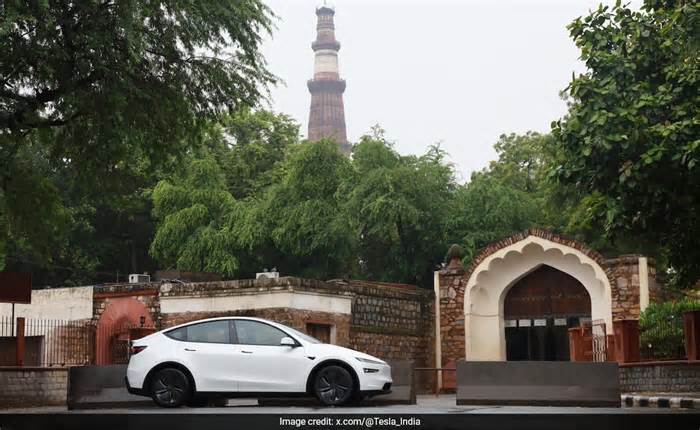
In India, Tesla’s entry into the luxury EV segment has been sluggish, with only 157 units sold since September 2025, lagging behind BMW and Mercedes, according to ETAuto. These international setbacks compound Tesla’s domestic challenges, where EV sales are projected to decline for the second consecutive year despite overall market growth, as outlined in a Bloomberg piece from October 2025 (Bloomberg).
For Hertz, the global context meant that Tesla’s price wars not only devalued its fleet but also signaled a maturing market where EVs are no longer novelties but commodities facing real competition. X sentiment, including posts from analysts like Bjorn Lomborg, describes Hertz’s pivot as a “$1 billion headache,” underscoring the risks of betting heavily on unproven tech in a volatile environment.
Lessons for the Rental Industry and Beyond
The rental sector is reevaluating its EV strategies in light of Hertz’s experience. Competitors like Enterprise and Avis have adopted more cautious approaches, integrating smaller EV fleets while monitoring demand. Hertz itself is shifting back to gas-powered vehicles, aiming to stabilize finances. A TheStreet report from February 2025 notes that the company’s 2021 gamble resulted in a “lousy payoff,” with ongoing sales to mitigate losses (TheStreet).
This shift raises questions about the pace of EV adoption. Industry insiders argue that while electrification is inevitable, the transition requires better preparation. For instance, improving repair ecosystems and standardizing charging could alleviate some pain points. Posts on X from users like Anas Alhajji highlight “higher collision and damage repair costs” as key factors in Hertz’s pullback, reflecting real-world operational challenges.
Automakers are taking note too. Ford, facing its own EV losses projected at $5.1 billion in 2025, is pivoting toward smaller, more affordable models, as mentioned in recent X discussions. This adaptability contrasts with Hertz’s all-in approach, suggesting that gradual integration might be the wiser path.
Path Forward Amid Market Shifts
As 2025 draws to a close, Hertz is focusing on recovery. The company has reduced its EV fleet by an additional 10,000 vehicles, per X posts citing ongoing depreciation woes. This downsizing aims to cut losses, but it also means fewer options for eco-conscious renters, potentially ceding market share to rivals.
Broader market dynamics are evolving. A GovFacts article from two weeks ago describes the U.S. EV sector as “volatile,” with automakers shifting from all-electric pledges to hybrid strategies (GovFacts). Tesla, under Elon Musk, is betting on robotaxis and autonomous tech to offset sluggish EV sales, as per Bloomberg’s coverage.
For industry players, Hertz’s ordeal serves as a stark reminder: enthusiasm for EVs must be tempered with realism. The rental giant’s billion-dollar lesson illustrates how market enthusiasm can quickly sour when confronted with practical realities like cost overruns and shifting consumer preferences.
Strategic Realignments and Future Prospects
Looking ahead, Hertz is diversifying its fleet to include more hybrids, balancing environmental goals with financial prudence. This mirrors trends in the wider automotive world, where companies like GM are investing in versatile powertrains. X posts from users such as Wesley Hunt point to “no demand, massive depreciation, and high repair costs” as reasons for Hertz’s EV sell-off, encapsulating the sentiment among skeptics.
Yet, optimism persists. Advances in battery technology and expanding charging networks could revive EV appeal. For Tesla, regaining momentum in markets like China and Europe through innovations like Full Self-Driving might stabilize values and boost adoption.
Ultimately, Hertz’s electric gamble highlights the complexities of transitioning to sustainable transport. As the company rebuilds, its story will likely influence how others navigate the bumpy road to an electrified future, emphasizing the need for measured steps in an industry still finding its footing.
Subscribe for Updates
Please first to comment



Stay Connected
Tweets by elonmuskTo get the latest tweets please make sure you are logged in on X on this browser.