




 Energy


Waymo pauses robotaxi service in San Francisco after blackout chaos — Musk says Tesla car service unaffected

Key Points
Alphabet-owned Waymo kept its robotaxi services on pause in the San Francisco Bay Area Sunday following widespread blackouts that had affected their vehicles' behavior.
San Francisco Mayor Daniel Lurie said, in a post on X, that police officers and fire crews were deployed across impacted neighborhoods to help transit services resume.
Waymo said it was working closely with city officials, aiming to bring its robotaxis back online soon.
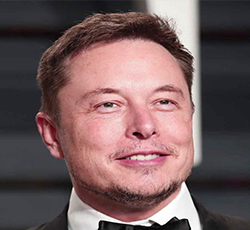
In this article CEO Elon Musk posted on X: "Tesla Robotaxis were unaffected by the SF power outage."
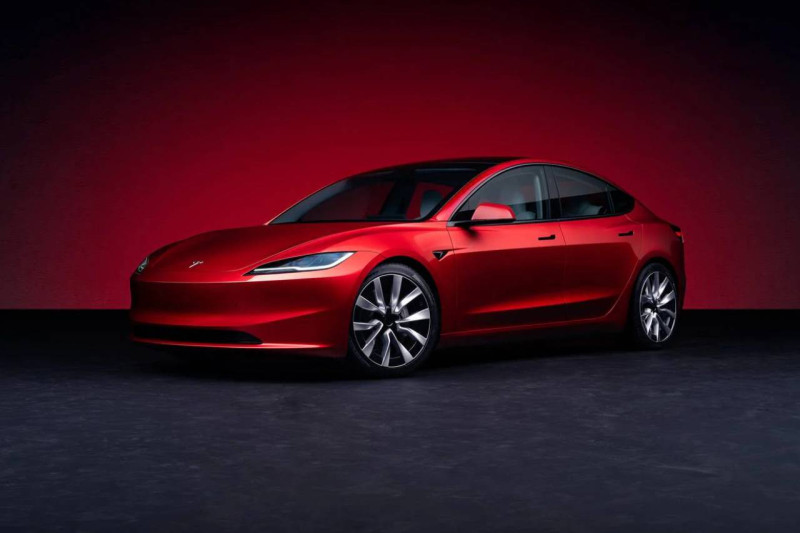
Unlike Waymo, Tesla does not operate a driverless robotaxi service in San Francisco.
Tesla's local ride-hailing service uses vehicles equipped with "FSD (Supervised)," a premium driver assistance system. The service requires a human driver behind the wheel at all times.
According to state regulators â including the California Department of Motor Vehicles and California Public Utilities Commission â Tesla has not obtained permits to conduct driverless testing or services in the state without human safety supervisors behind the wheel, ready to steer or brake at any time.
Tesla is vying to become a robotaxi titan, but does not yet operate commercial, driverless services. Tesla's Robotaxi app allows users to hail a ride; however, its vehicles currently have human safety supervisors or drivers on board, even in states where the company has obtained permits for driverless operations.
Waymo, which leads the nascent industry in the West, is Tesla's chief competitor in AVs, along with Chinese players like Baidu
-owned Apollo Go.
The outage-related disruptions in San Francisco come as robotaxi services are becoming more common in other major U.S. cities. Waymo is among a small number of companies operating fully driverless ride-hailing services for the public, even as unease about autonomous vehicles remains high.
A survey by the American Automobile Association earlier this year found that about two-thirds of U.S. drivers said they were fearful of autonomous vehicles.
The Waymo pause in San Francisco indicates cities are not yet ready for highly automated vehicles to inundate their streets, said Bryan Reimer, a research scientist at the MIT Center for Transportation and co-author of "How to Make AI Useful."
"Something in the design and development of this technology was missed that clearly illustrates it was not the robust solution many would like to believe it is," he said.
Reimer noted that power outages are entirely predictable. "Not for eternity, but in the foreseeable future, we will need to mix human and machine intelligence, and have human backup systems in place around highly automated systems, including robotaxis," he said.
State and city regulators will need to consider what the maximum penetration of highly automated vehicles should be in their region, Reimer added, and AV developers should be held responsible for "chaos gridlock," just as human drivers would be held responsible for how they drive during a blackout.
Waymo did not say when its service would resume and did not specify whether collisions involving its vehicles had occurred during the blackout.
Tesla and the National Highway Traffic Safety Administration did not immediately respond to requests for comment.
This is a developing story. Please check back for updates.
â CNBC's Riya Bhattacharjee contributed reporting.
Please first to comment



Stay Connected
Tweets by elonmuskTo get the latest tweets please make sure you are logged in on X on this browser.