




 Energy



/ January 8, 2026
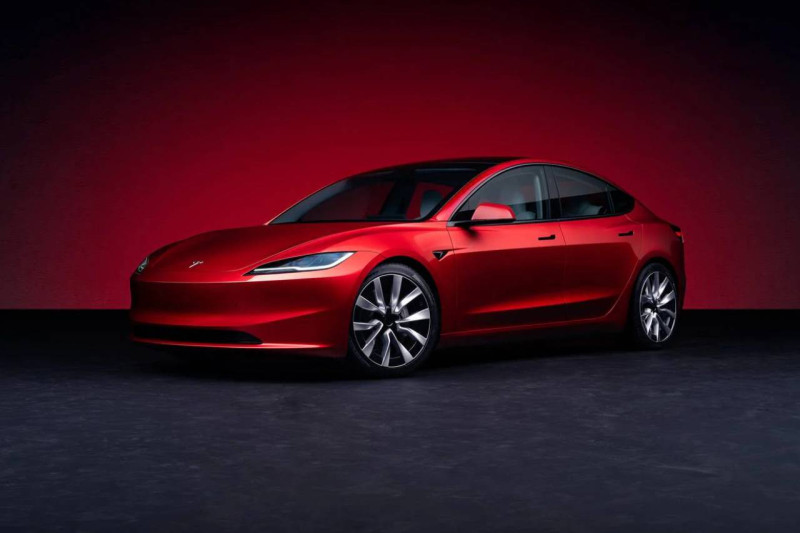
Tesla sits at a critical crossroads: the company is delivering fewer cars in a tougher EV landscape while investors simultaneously price in enormous possibilities around autonomous robotaxis and AI-powered robots. With BYD gaining momentum in traditional auto volumes, Tesla’s market value now hinges largely on whether its pivot to an “AI mobility platform” can deliver.
Delivery data underscores the shifting dynamics
In Q4 2025, Tesla’s deliveries totaled 418,227 vehicles, a 16% drop from the prior-year quarter.
For the full year 2025, annual deliveries reached 1.636 million, down 8.6% versus 2024.
BYD moved roughly 2.26 million pure EVs in the same period, up 28% year over year, outpacing Tesla on BEV volume.
The gap in growth rates is evident: Tesla posted a negative 8.6% yearly change, while BYD grew by 28%.
In Europe, Tesla’s market share slipped from 2.4% in 2024 to 1.7% in 2025, highlighting a headwind for the traditional auto business and added pressure on growth narratives.
Autonomy race and market jockeying
Investor attention has increasingly shifted toward autonomy and AI. At CES 2026 in Las Vegas, Nvidia unveiled its Alpamayo platform for autonomous driving. The announcement pressured Tesla’s stock as investors weighed whether autonomic solutions could become a standard offering and erode any perceived lead.
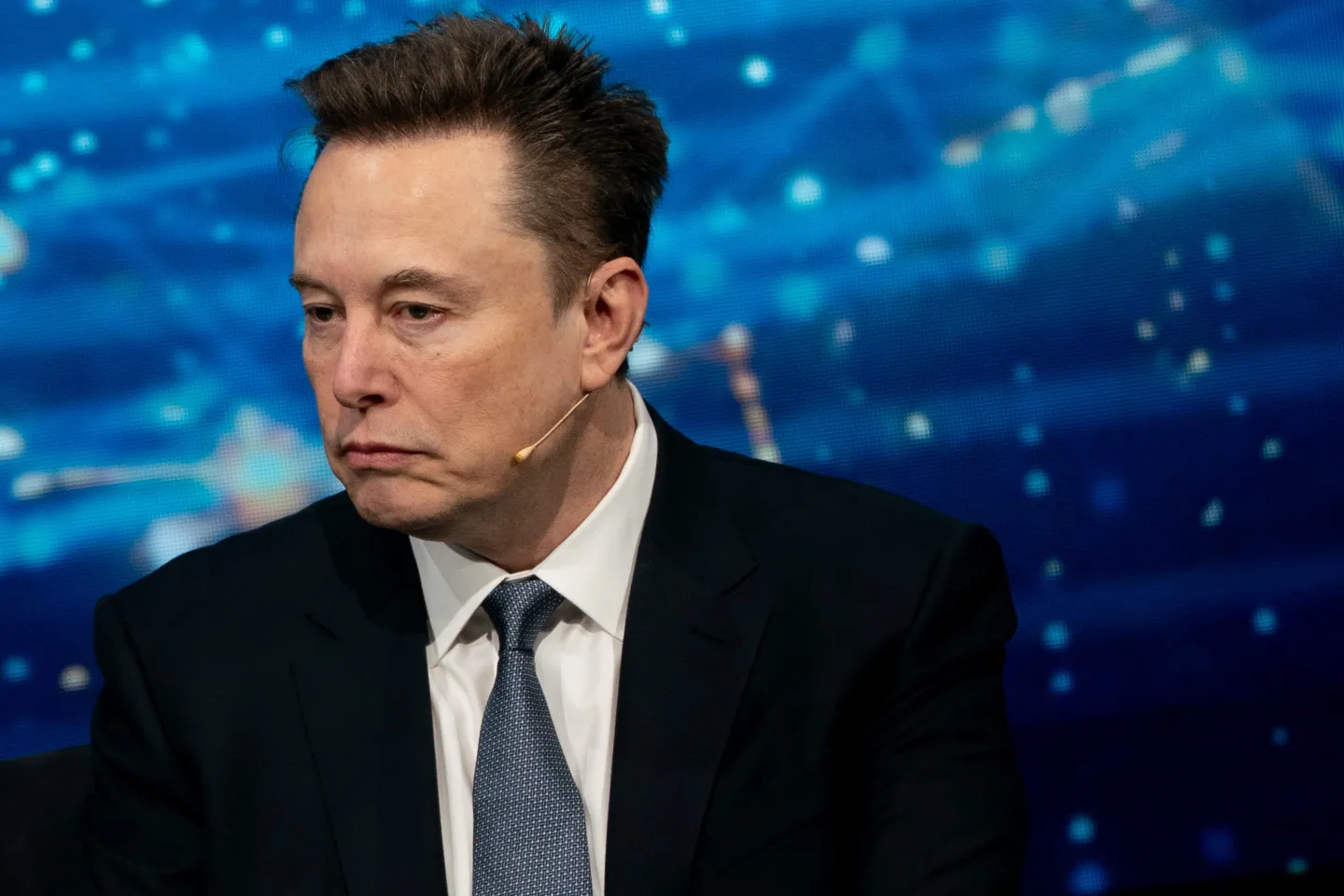
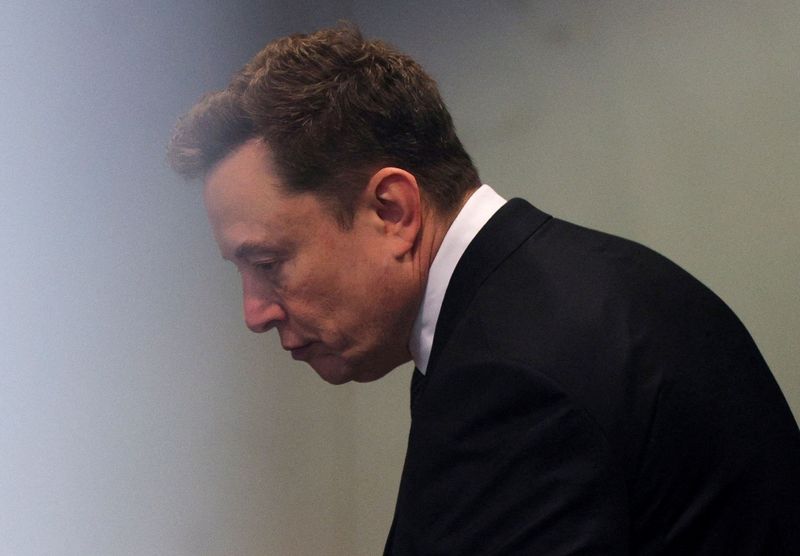
CEO Elon Musk pushed back on the notion of immediate competition, arguing that Nvidia’s stack—comprising hardware and models—still requires years to be deeply integrated into vehicles, software, and fleets by conventional automakers. Tesla’s advantage, in his view, stems from its vertical integration.
Nvidia’s head, Jensen Huang, framed Alpamayo as a pivotal “ChatGPT moment for physical AI,” intended as an enabler for automakers such as Mercedes-Benz to roll out advanced autonomous features from mid-2026 onward. The field for tech leadership in self-driving is thus clearly contested, and investors are betting on Tesla’s ability to translate AI and robotics into scalable revenue streams.
A split among analysts
Market expectations for Tesla’s path are notably polarized. Current consensus sits with roughly 40% rating the stock as a buy, 36% as a hold, and 24% as a sell—a wider spread than typical.
Bulls:
Pierre Ferragu of New Street Research increased his price target from $520 to $600, citing a presumed twelve-year lead in autonomous tech versus rivals.
Dan Ives of Wedbush goes further, suggesting a potential $3 trillion valuation for 2026 if the planned Robotaxi service “Cybercab” successfully launches.
Bears:
Please first to comment


Stay Connected
Tweets by elonmuskTo get the latest tweets please make sure you are logged in on X on this browser.