





 Energy


DOGE bros exposed: Depositions from Elon Musk’s team reveal ChatGPT process for gutting ‘DEI’ grants


When Musk deployed DOGE into the National Endowment for the Humanities, which provides vital financial support to research and arts programs, Muskâs staff abruptly choked off more than 1,400 grants, eliminating tens of millions of dollars in public funding within less than a month.
More than 10 hours of newly released video testimony from January uncovers how two DOGE operators relied on ChatGPT and their own largely uninformed judgments to make sweeping decisions about funding for a range of programs and projects â and the people who rely on them.
The depositions, stemming from a lawsuit from the Modern Language Association, the American Council of Learned Societies and the American Historical Association, included testimony from two young DOGE officials, Justin Fox and Nathan Cavanaugh, neither of whom had experience working in government, let alone grant administration.
The only grants they didnât touch involved events surrounding Americaâs 250th anniversary and the âNational Garden of Heroesâ â two Donald Trump priorities.
open image in gallery
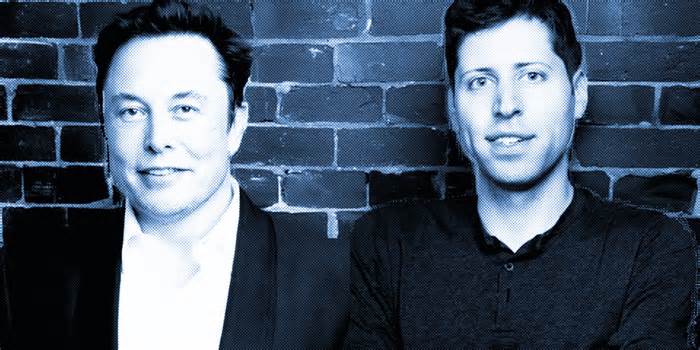
Filmed depositions from Nathan Cavanaugh, left, and Justin Fox, right, who worked for Elon Musk's DOGE project inside the National Endowment for the Humanities, included their testimony about steep cuts to grant funding
(American Historical Association)
Evidence in the case exposes DOGEâs âhaphazard and unlawful actionsâ from âunqualified agentsâ who âundermined the separation of powers and denied the American people access to vital public programming and research,â according to Modern Language Association executive director Paula M. Krebs.
ChatGPT and DEI
During his hours-long deposition, Fox admitted to using ChatGPT to sift through grants before DOGE started slashing.
They used a prompt: âDoes the following relate at all to DEI?â
They then asked the generative AI chatbot to âRespond factually in less than 120 charactersâ and begin with âYes.â or âNo.â followed by a brief explanation.â
That prompt â included a vast tranche of discovery materials in the lawsuit, along with emails, spreadsheets and text messages â was the âintermediary stepâ before DOGE scanned through the results, Fox said in his deposition.
When he reviewed a grant for a documentary about Black civil rights, he agreed that the project violated Trumpâs executive order on DEI because it âfocused on a singular race.â
âIt is not for the benefit of humankind,â said Fox, who was an associate at a private equity firm before joining DOGE.
âIt is focused on this specific group, or a specific race, here being Black,â he said.
open image in gallery
The Musk-led DOGE initiative relied on Trumpâs executive order targeting diversity, equity and inclusion programs to fire workers and cut funding for hundreds of grants
(AFP via Getty Images)
Asked by an attorney why a documentary about Black history would not benefit humankind, he struggled to adjust his answer.
âThatâs not what Iâm saying,â he said. âThe way that I phrased it there wasnât exactly what I meant.
The project is âfocused on a specific subset of race, and therefore it relates to DEI,â he said.
But when it came to what DEI actually is, Fox struggled to answer.
In a painful, minutes-long exchange during his deposition, full of pregnant pauses and heavy sighs, Fox said his âunderstandingâ of DEI was based on Trumpâs executive order targeting diversity, equity and inclusion efforts across the government.
But âI canât rememberâ what was in it, he said.
Asked why a documentary about Jewish womenâs slave labor during the Holocaust would be considered âDEI,â Fox said: âItâs the gender-based story thatâs inherently discriminatory to focus on this specific group.â
And asked what he means by âinherently discriminatory,â he replied: âItâs focusing on DEI principles. Gender being one of them.â
âThere were no booksâ
When it came to deciding which grants they were culling, they didnât turn to field experts or consult with anyone who did. Nobody asked the DOGE team to use ChatGPT, but they appeared to have relied on the results.
Cavanaugh admitted he does not have any experience in the scholarly or peer review process.
âI think a person can have enough judgment from reading books and being well-informed outside of traditional experience to make judgment calls about obvious things like a grant that literally lists DEI in its description,â Cavanaugh said in his deposition.
Asked by attorneys which books informed those judgments, Cavaugh said he didnât consult any.
âThere were no books,â he said.
open image in gallery
DOGE terminated more than 1,400 grants totaling millions of dollars in funding after DOGE staffers canceled projects they considered âcrazyâ
(Getty Images)
Cavanaugh, 28, is the co-founder of Brainbase, which manages intellectual property licensing for brands. He later co-founded a company called Special with Fox, which buys other businesses âin senior care, adopting technology to pay the nurses and caregivers more, so that the aging population has enough nurses to meet the demand,â according to Fox.
Fox compiled what he thought were the âcraziestâ and âother badâ grants, turning to three dozen keywords, including âLGBTQ.,â âBIPOC,â âTribal,â âethnicity,â âgender,â âequality,â âimmigration,â âcitizenshipâ and âmelting pot.â
More than two dozen grants deemed the âcraziestâ were related to LGBT+ projects.
In the deposition, Fox said the list reflected his âsubjectiveâ judgment.
ââCrazyâ is one way of saying it,â he said. ââMost incriminatingâ is another way.â
One of the âcraziestâ grants Cavanaugh reviewed concerned a book that explored the legacy of HIV and AIDS activism and prison abolition.
âIt references feminist and queer insights into prison abolition and LGBTQ studies,â he said.
Another proposal for a public series called âExamining experiences of LGBTQ military serviceâ aimed to discuss the experiences of marginalized U.S. service members.
Asked why the project was flagged for termination, Cavanaugh said âBecause it explicitly says LGBTQ.â
Six-figure salaries and no remorse
Fox said he earned $150,000 for his work with DOGE, and Cavanaugh received $120,000.
âSorry for those impacted, but there is a bigger problem, and thatâs ultimately â the more important piece is reducing the government spend,â Fox said when asked if he felt any remorse for the grantees.
He said the cuts were a ânecessary step in the right direction.â
âGrowth in government spending leads to a debt spiral, leads to hyperinflation, leads to every American feeling 10, 12 percent inflation,â he said. âItâs knock-on effects of something that you can address today through non-critical spending cuts, or you can all feel tomorrow.â
Asked by attorneys if he experiences any regret that people may have lost income because of their actions, Cavaugh cut off the question before it was finished.
âNo,â he said in his deposition. âI think it was more important to reduce the federal deficit from $2 trillion to close to zero.â
He admitted they didnât come close to doing that.
DOGE, which is baked into federal agencies, made 29,000 cuts to the government last year.
But federal spending didnât go down under DOGEâs watch. It did the opposite. The bulk of DOGEâs work â including devastating cuts to foreign aid recipients â ultimately amounted to very little within the scope of the government spending.
More about
Please first to comment



Stay Connected
Tweets by elonmuskTo get the latest tweets please make sure you are logged in on X on this browser.