




 Energy



Jun 4, 2026, 11:30 AM UTC
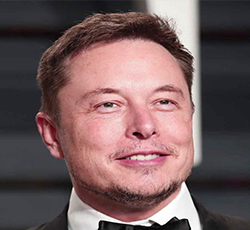
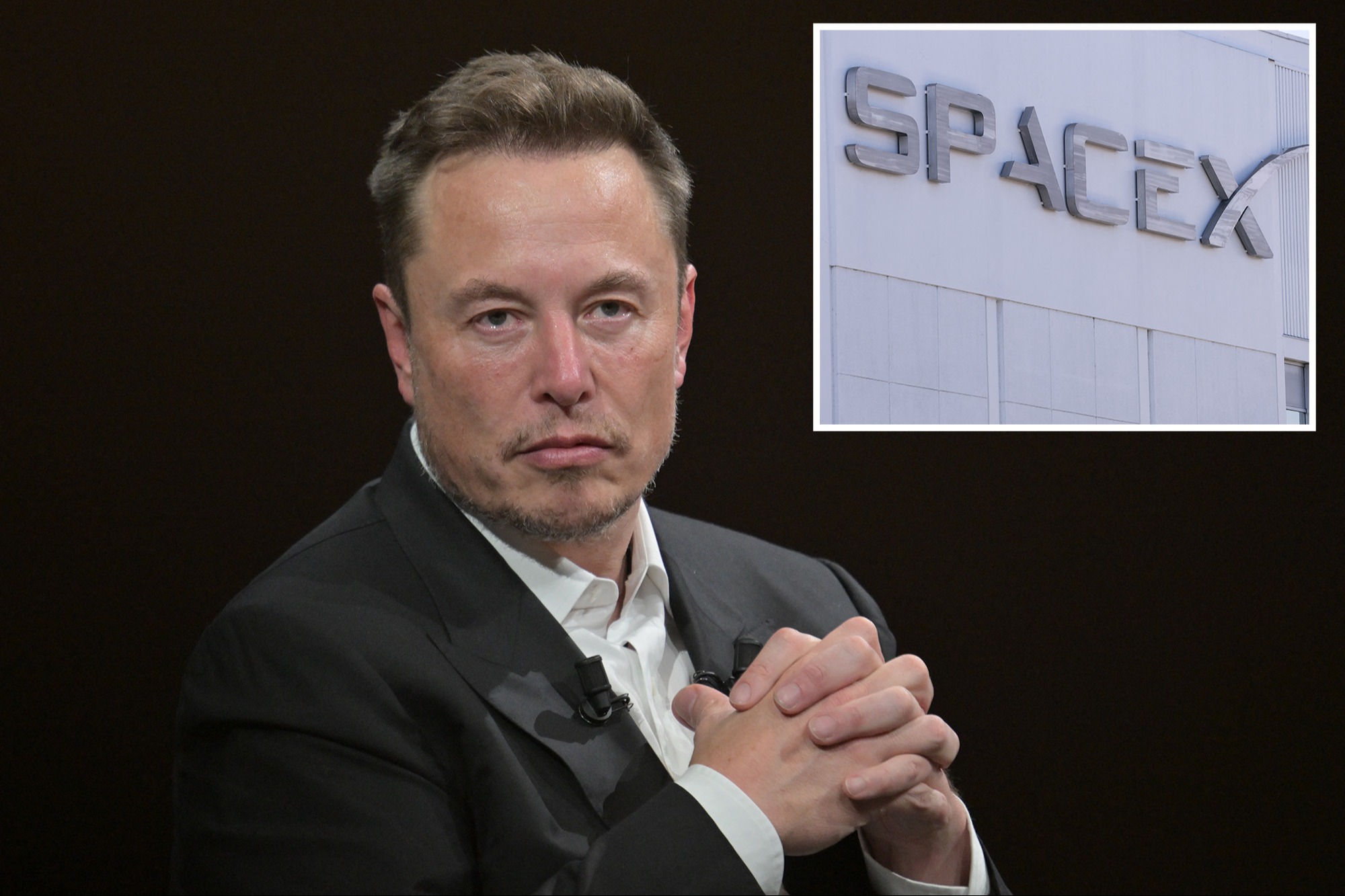
Elon Musk speaks during a video interview in Tel Aviv, Israel, on May 18, 2026.
Kobi Wolf/Bloomberg via Getty Images
Welcome to the era of the big three.
We’re not talking rappers here — although according to Kendrick Lamar, it’s “just big me” — we’re talking AI companies: Anthropic, SpaceX, and OpenAI.
These three leading artificial intelligence companies are all expected to go public this year. Elon Musk’s SpaceX, which recently acquired another Musk company, xAi, is on track to open up to investors later this month. Anthropic, the company behind the chatbot Claude, just filed confidentially with the States Securities and Exchange Commission for its own initial public offering. Reports say OpenAI could also go public as soon as September. (Disclosure: Vox Media is one of several publishers that have signed partnership agreements with OpenAI. Our reporting remains editorially independent.)
SpaceX’s IPO, when it happens, could be the largest in history and mint Musk as the world’s first trillionaire. With Anthropic and OpenAI, the combined value of AI IPOs could total over $3 trillion.
But it’s not as simple as going public and raking in cash. “There’s this race that’s been going on between SpaceX, OpenAI, and Anthropic,” Liz Lopatto, a senior writer at The Verge said. “There’s this fear that if you don’t go public at the right time or you don’t go public first, investors aren’t going to wait for you.”
To understand why some of the world’s richest men, at the helm of some of the world’s richest companies, are now courting the public’s money, Today, Explained co-host Sean Rameswaram spoke with Lopatto. The 5 most unhinged revelations from Elon Musk’s lawsuit against OpenAI
Liz, you’re very tapped into this world out there in Silicon Valley and you were at the trial between Altman and Musk. It sounds like these companies are all being talked about in the same breath even though two of them are very specifically AI companies and one of them wants to colonize Mars. Why is that? Is it just because they all may IPO soon?
I think that’s part of it. I also think there’s been this investment thesis that frontier AI models are effectively going to be a boom on the scale of internet 1.0, if you remember 1999.
This is sort of the moment where we’re going to find out who’s Google and who’s Amazon and who’s Pets.com, right? And so I think that’s why people are talking about them in this way, because it’s not just these three companies that are AI companies. Obviously Google has an AI arm that is very good. But then you have companies like Databricks, which you maybe haven’t heard of.
Can’t say I know her.
Yeah. This is a perfectly fine company. It’s got a business. But it’s not in that conversation because I don’t think people expect it to be one of the behemoths in the way that they’re looking at these three as the potential behemoths of this generation of technology.
This reminds me that when social media companies went public, they started prioritizing things like shareholder profit rather than safety. I think Facebook — Meta — is probably the most prominent example of this.
Do we want the still mostly dudes holding our future in their hands to be beholden to market forces and profits above all else?
Arguably they already are.
This is one of the arguments that has been made about OpenAI: that the reason they’ve had some of these issues around safety has been because they are motivated by chasing the market and trying to raise money. Because unlike social media, this is a very capital-intensive business.
You need to be showing investors something. You need to be proving yourself out in a way that you didn’t necessarily have to with social media right off the bat. So I think that’s part of it. But I think that going public potentially makes that worse. The chatbot will try to keep you engaged. It will give you an answer and then it will ask a tag question. And that’s an engagement tool that keeps you engaged with the AI.
You see that also with some of the sycophantic behavior you see with these AI where they’re like, “Wow, that’s such a smart question. Gee, you’re so bright.”
And is that really good for us? I don’t think it is. But it does keep people involved, and it does keep people engaged with the AI, and if you need to be showing user numbers or otherwise showing metrics to investors, those are the ones you show.
It seems almost silly to ask if being a publicly traded company could make these companies more accountable or even safer. But then again, if you think about Anthropic and their whole dustup with the Pentagon, without being publicly traded, they said, you know, you guys are crossing the red line and we have to reassess our relationship.
Do you think something about being publicly traded post-IPO could make a company like Anthropic or OpenAI a little bit more conservative in their developments and their technology?
To the degree that you can say, “Hey, like I was misled by this company as a shareholder because they told me there were these safety practices that actually were not in play and then take them to court” — that is something that can be done, sure. Unless you’re talking about SpaceX, which has a governance structure that effectively bars shareholder suits, unless you have a specific percentage of holding.
So not SpaceX, but maybe Anthropic, maybe OpenAI have this additional measure of accountability where shareholder lawsuits can potentially move the needle.
But most likely of all we just start to see a lot more ads.
I think that’s right. I think you also see prices go up for the enterprise products — and maybe for all of the other products as well.
See More:
Please first to comment


Stay Connected
Tweets by elonmuskTo get the latest tweets please make sure you are logged in on X on this browser.