




 Energy


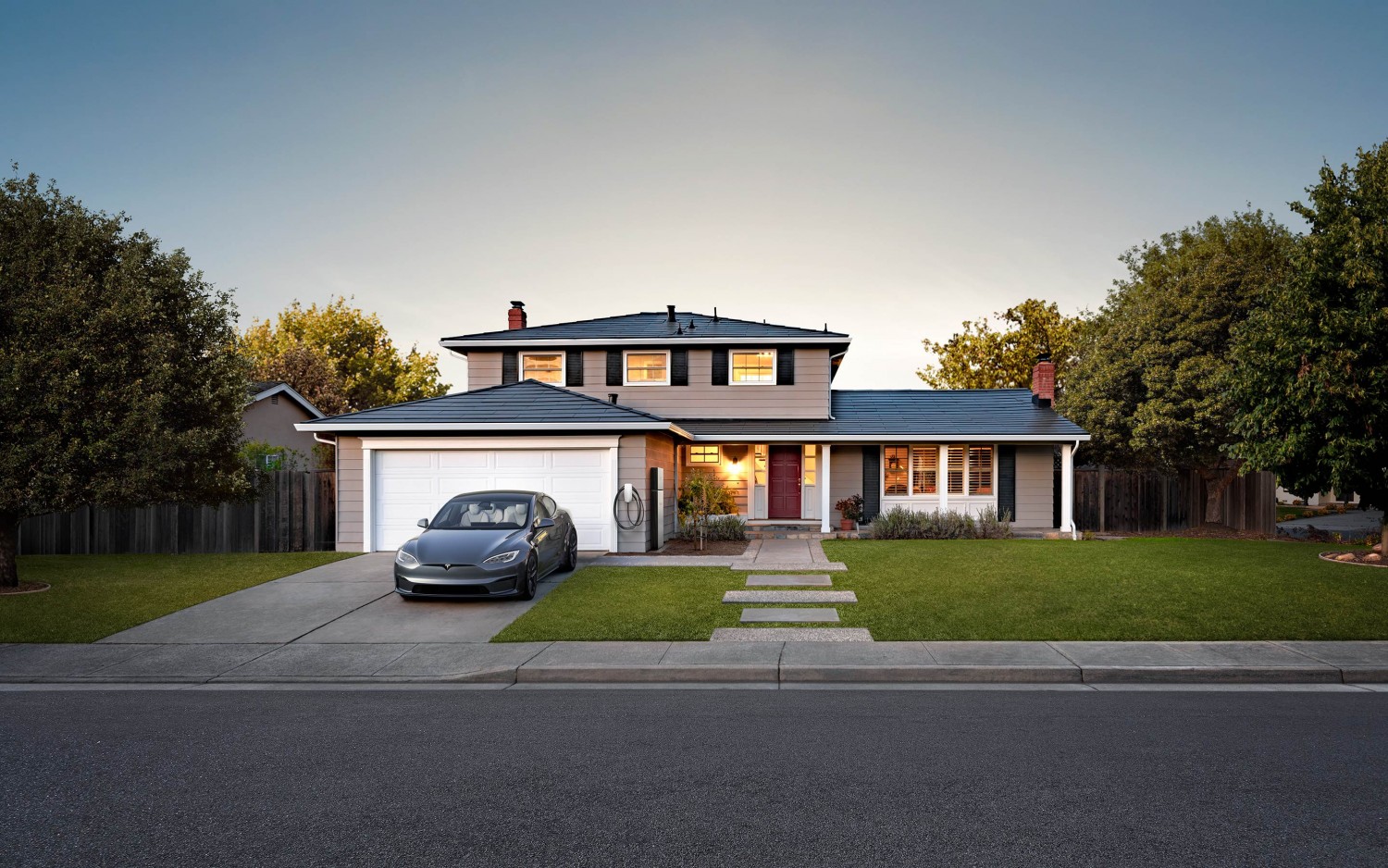
Austinites might soon have another robotaxi option.
Tesla is reportedly aiming to launch its driverless Model Y vehicles for robotaxi service in the automaker's hometown on Thursday.
CEO Elon Musk announced on his social media site X last week that Tesla had already started testing the self-driving vehicles on Austin streets over the past several days. The company had previously promised a June start date for testing.
Here's what we know about Tesla's robotaxis in Austin.
Tesla robotaxis are already testing in Austin, and residents may soon catch a ride
During a rough first quarter earnings call in April, Musk confirmed that Tesla is prepping to launch its robotaxis in Austin this year, but that seems to be much sooner than initially expected as Bloomberg reported last week that the automaker is targeting a Thursday launch for its robotaxi service. Though that date could change. Need a break? Play the USA TODAY Daily Crossword Puzzle.
Currently, Tesla is testing driverless Model Ys, which are the vehicles Tesla is using as its robotaxis, on Austin streets.
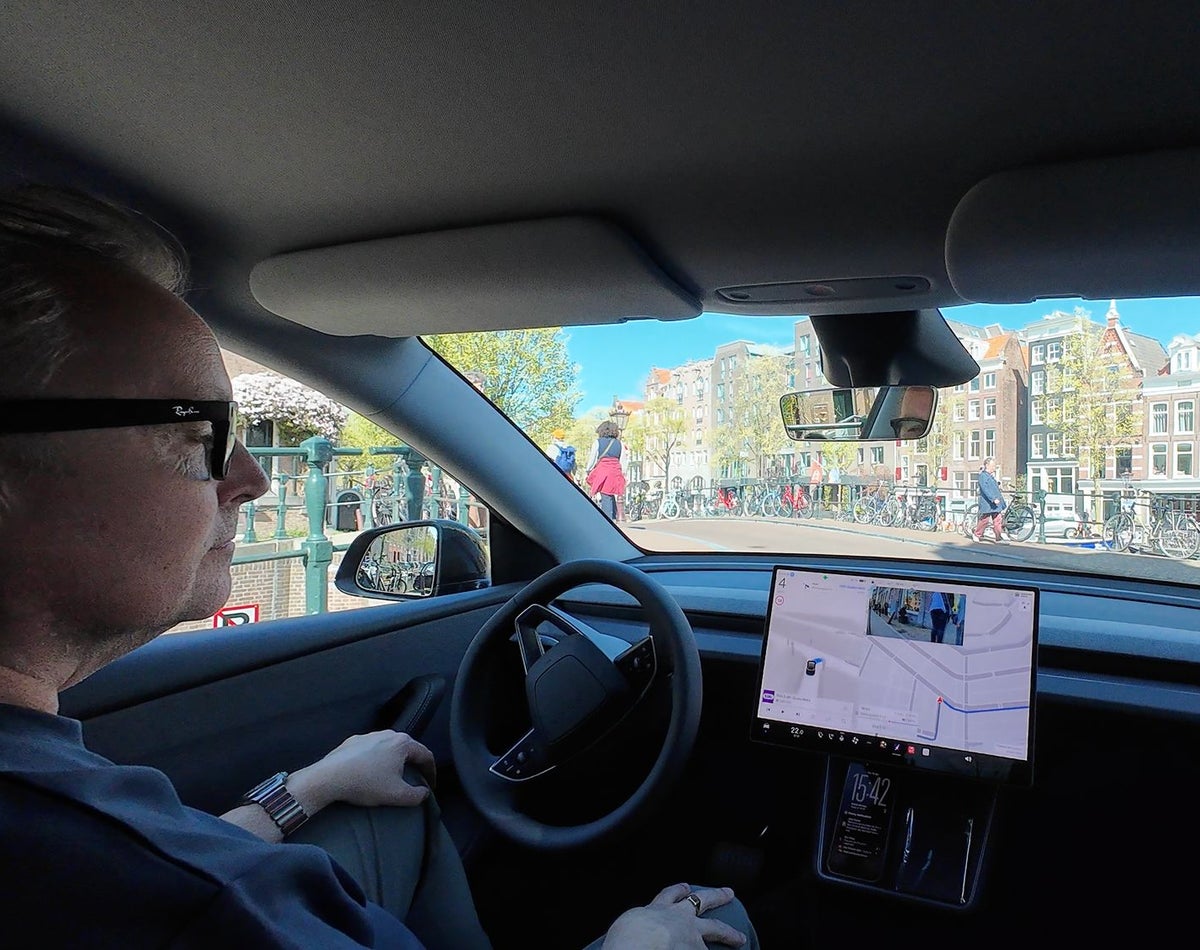
"For the past several days, Tesla has been testing self-driving Model Y cars (no one in driver’s seat) on Austin public streets with no incidents," Musk posted on his social media site, X, last week.
Some reports earlier this month indicated that Tesla had not started testing without drivers as of mid-May.
Currently, Tesla's robotaxi service is already available for some employees, with Tesla's AI account posting X back in April that "supervised ride hailing service is live" for some employees in both Austin and San Francisco.
The National Highway Traffic Safety Administration (NHTSA) wrote a letter to Tesla last month to ask questions about the company's ridehailing service, including its planned use of teleoperations. This data is key for public safety and for approval from NHTSA. The country's road safety watchdog asked Tesla to respond by June 19, days after Tesla's reported Austin robotaxi launch. Tesla could face a fine up to $27,874 per day if Tesla does not give a prompt response, with a maximum fine of $139,356,994.
Tesla is being pretty skiddish when it comes to records and information about its robotaxis, with the company asking the city of Austin to block records related to its services. Reuters requested two-years worth of communications between the city and Tesla about the rideshare services, and the city confirmed to the American-Statesman Monday that Tesla asked that no records be released until Texas' Attorney General can weigh in.
Tesla is named as an official autonomous vehicle operator by the city of Austin. The city's Department of Motor Vehicles autonomous vehicles page lists Tesla as being in the testing phase. Other known AV operators in Austin include Amazon's Zoox, Hyundai's Motional and Volkswagon's ADMT, which are all currently in testing phases. Google parent company Alphabet launched its robotaxi service Waymo in partnership with Uber back in March. The launch, timed to coincide with South by Southwest Conference and Festivals, is the first official deployment of robotaxi services in Texas' capital.
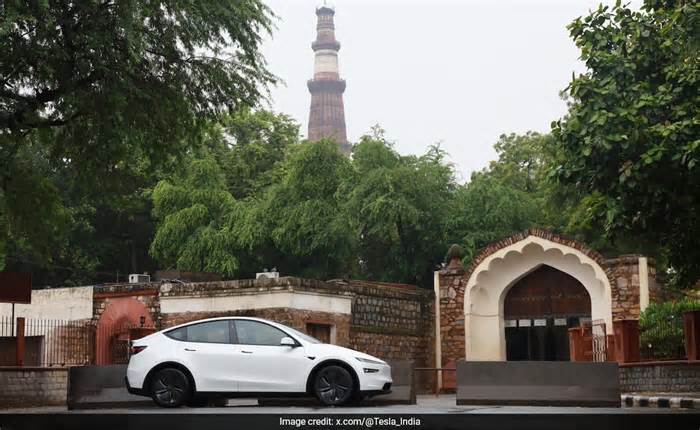
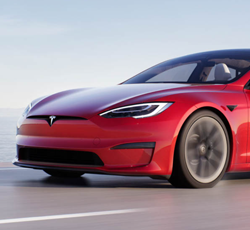
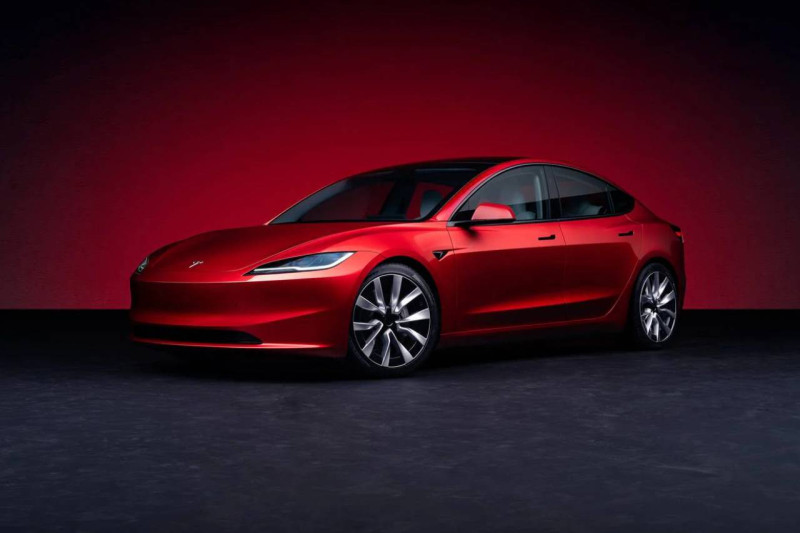
The Model Y robotaxi vehicles are the same as those sold to the public. Tesla has faced significant delays with the production of a newer, more affordable version.
Musk unveiled the self-driving Cybercab robotaxi models last October at his company's "We, Robot" event. The two-door models feature no steering wheels, gas or brake pedals. At the event, Musk claimed the fully autonomous vehicles would be "10 times safer than a human."
Musk has said since 2016 that Tesla was only "a year away" from fully self-driving vehicles and rideshare services, but those aspirations have not come to fruition, even now as Tesla is testing its vehicles with supervised drives, meaning someone is in the front seat to monitor and intervene if necessary.
Tesla's robotaxis, which have also been referred to as cybercabs, rely on the company's Fully Self-Driving program. Tesla relies on cameras and real-time driver footage to train the vehicle's artificial intelligence neural network. The majority of other self-driving companies, such as industry-leader Waymo, rely on cameras and lidar sensors together to operate and use geo-mapped systems to help determine where the vehicle can operate.
Can you ride a Tesla robotaxi now?
Neither Tesla nor Musk has provided explicit details about how Tesla's rideshare service will operate in the longeterm, but as of now it appears Austin residents won't have unfettered access to Tesla cybercabs starting Thursday.
For now, the rideshare service will deploy as a limited pilot program using the company's existing Model Y vehicles. Tesla will start by testing them in the safes areas of the city within specific geo-mapped boundaries.
Right now, the rideshare services are available to some employees and are supervised by a driver.
Tesla's Austin robotaxi service will kick off with only 10 vehicles and will later expand to thousands and move into more cities if the launch is successful, Musk told CNBC in May.
“We want to deliberately take it slow,” Musk said. “I mean, we could start with 1,000 [robotaxis] 10,000 on day one, but I don’t think that would be prudent. So we will start with probably 10 for a week, then increase it to 20, 30, 40.”
Please first to comment


Stay Connected
Tweets by elonmuskTo get the latest tweets please make sure you are logged in on X on this browser.