




 Energy


Feb. 21, 2026 10:05 am EST
Hapabapa/Getty Images
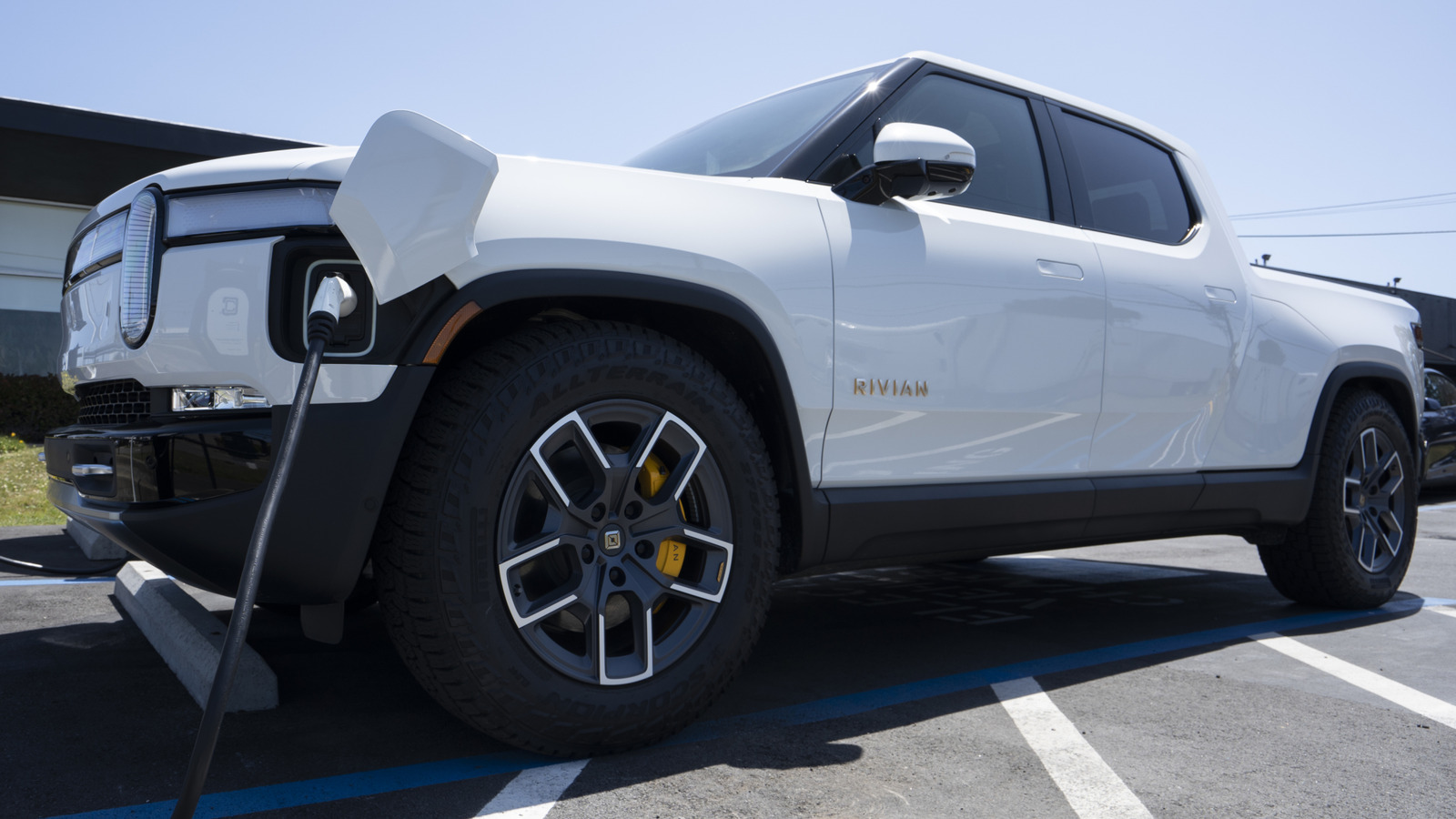
In a perfect world, there would be a single type of connector for every EV sold on the planet. Every single charging station would connect to every EV sold, and software glitches wouldn't exist. But we don't live in a perfect world, and charging an EV at a fast charging station can be fraught with issues and frustrations. That can be especially true when attempting to charge a non-Tesla EV — like a Rivian – at a Tesla Supercharger. Fortunately, the solution is usually as simple as using an adapter or consulting Tesla's own app on your smartphone. But that charging experience still isn't as easy as it is with Tesla's own cars, and not every automaker is clear about the steps needed to get it working.
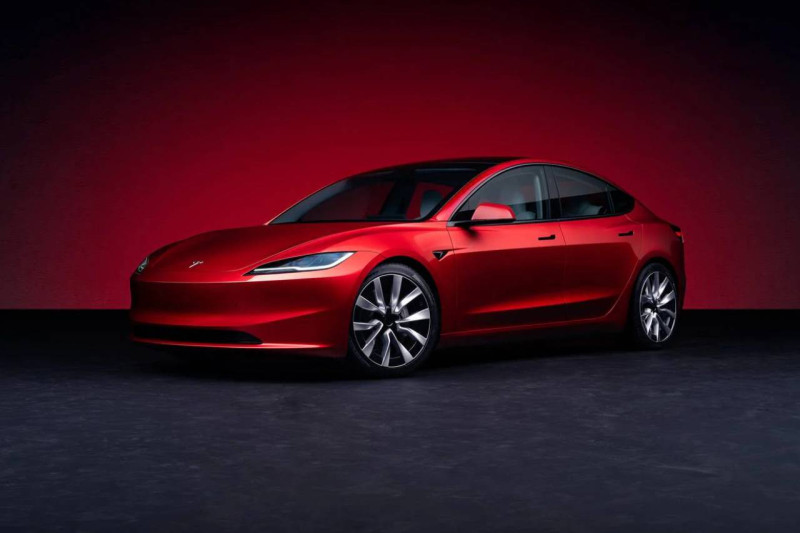
On a Tesla vehicle, a driver simply has to park at a Supercharger and plug in. Because Tesla is so vertically integrated, the company already has your credit card information on file, and charging couldn't be simpler. Just plug in to the connector, and everything else is taken care of automatically. Tesla builds both Superchargers and vehicles, so its engineers know exactly what type of hardware will be plugged in, which improves reliability immensely. Other automakers offer a similar experience now by allowing their cars to use Tesla Superchargers, but that compatibility isn't seamless.
CCS, NACS, and fast charging Mario Tama/Getty Images
If this process doesn't work, there's likely an issue with the Supercharger station itself. And if none of the stalls work, there might be an issue with your vehicle. Most of the time, though, starting a charging session in the Tesla app ensures a smooth experience. This applies to all non-Tesla EVs, not just Rivian.
For Level 2 charging, your Tesla-to-CCS adapter won't work with Tesla's destination chargers. You'll need a separate J-1772-to-NACS adapter for that type of charging. There also isn't an adapter that converts any Tesla connector universally into either AC or DC charging. But you're unlikely run into a situation where you need this adapter in the first place. Even most hotels provide both types of chargers or offer the J-1772 connector, which all non-Tesla EVs use for CCS fast charging — and all Teslas come with an adapter to plug into.
While it might not be as seamless as charging with a Tesla, paying for the adapter and keeping it in your Rivian is a great way to have more charging options when you're out on the road. It'll also help make it easier to price shop. Tesla charging might be cheaper than a competitor's like Electrify America, helping offset the cost of the adapter. Plus, with more options, you're less likely to end up stranded.
Enjoyed this read? Join our newsletter for the top auto news sent straight to your inbox, and add us as a preferred source on
Google!
Recommended
Please first to comment


Stay Connected
Tweets by elonmuskTo get the latest tweets please make sure you are logged in on X on this browser.