




 Energy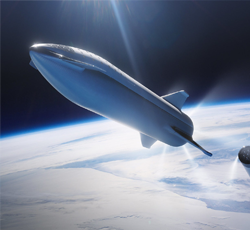



© Pascal Le Segretain / Getty Images Entertainment via Getty Images
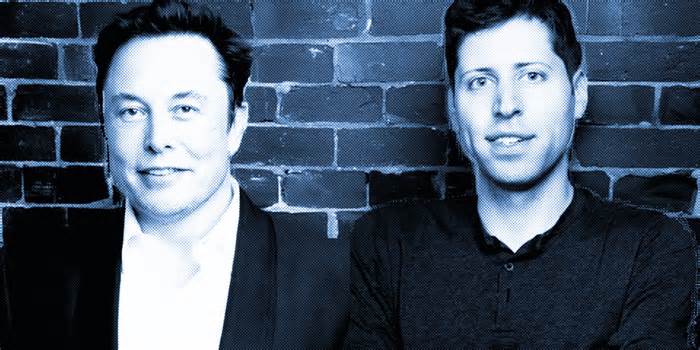
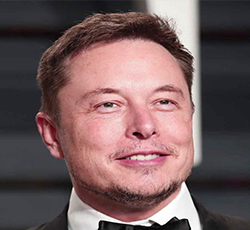
On March 21, 2026, at the Seaholm Power Plant in Austin, Elon Musk unveiled “the most epic chip-building exercise in history”: Terafab, a joint venture between Tesla (NASDAQ:TSLA | TSLA Price Prediction), SpaceX, and xAI, with Intel (NASDAQ:INTC) as foundational manufacturing partner. The stated goal: one terawatt of AI compute capacity per year, an order-of-magnitude expansion of global semiconductor supply.
The Real Reason: Compute Sovereignty
Musk’s thesis is that current global fabrication only meets about 2% of the eventual demand his enterprises require. Optimus is the giveaway. Musk anticipates 1 billion to 10 billion humanoid robots annually, requiring 100 billion to 200 billion chips. Layer in SpaceX’s orbital data center ambitions, which consume roughly 80% of Terafab’s projected output, and TSMC’s capacity cannot meet the math. This is vertical integration as survival strategy.
Tesla: Bearing the CapEx Burden
The financing reality is bracing. Tesla’s automotive revenue declined 10% for full year 2025, while the company carries record $20 billion 2026 CapEx plan that did not initially include Terafab. Total Terafab buildout is projected between $119 billion and $13 trillion, with initial $55 billion first phase centered on Grimes County, Texas.
Tesla enters from a position of liquidity: $44.743 billion in cash and Q1 2026 operating cash flow of $3.937 billion. Q1 revenue grew 15.78% to $22.387 billion, with EPS of $0.41 beating consensus. Shares trade at $445.27, up 26.35% over the past month. See the Q1 8-K via SEC filing.
Intel: The Sovereign AI Anchor Tenant
For Intel, Terafab is validation. CEO Lip-Bu Tan secured the partnership as Intel’s foundry pivot landed a premier anchor tenant, with Tesla and SpaceX committing to Intel’s 14A process. INTC trades at $120.29, up 84.55% over the past month and 225.99% year-to-date.
Q1 2026 results support the narrative: Data Center and AI revenue grew 22% to $5.052 billion; Intel Foundry revenue grew 16% to $5.421 billion. Tan framed the moment: “The next wave of AI will bring intelligence closer to the end user, moving from foundational models to inference to agentic.”
The Bear Case Is Real
Morgan Stanley’s Andrew Percoco called Terafab “Herculean task,” pegging full cost at $35B to $45B with chips not before 2028. Prediction markets reflect skepticism: Polymarket assigns only 14.5% probability to Optimus release by year-end 2026 and 13.5% to a California robotaxi launch by June 30. Regulatory headwinds compound the engineering challenge: million-satellite constellation would release roughly 360 metric tons of aluminum oxide per year, a 646% increase over natural levels and Grimes County residents have organized opposition.
What to Watch
Intel is the cleaner exposure because the partnership immediately monetizes idle foundry capacity. Tesla is the higher-conviction, higher-risk bet, where the AI/robotics thesis must outrun a multi-year CapEx wave against softening auto economics. Watch Q2 capital guidance, AI5 tape-out progress, and whether Blue Origin’s Project Sunrise or Google’s Project Suncatcher reshapes the orbital compute race.
Follow 24/7 Wall St. on Google
Please first to comment


Stay Connected
Tweets by elonmuskTo get the latest tweets please make sure you are logged in on X on this browser.